What is scoliosis?
In this guide, Professor Hany Abdel Gawwad explains scoliosis and some of the changes in a child’s back or posture that may prompt a medical assessment.
Scoliosis is a three-dimensional curve of the spine. It may become noticeable while a child is growing. Its cause and pattern can vary, and it cannot be diagnosed from a photograph alone.
What signs might parents notice?
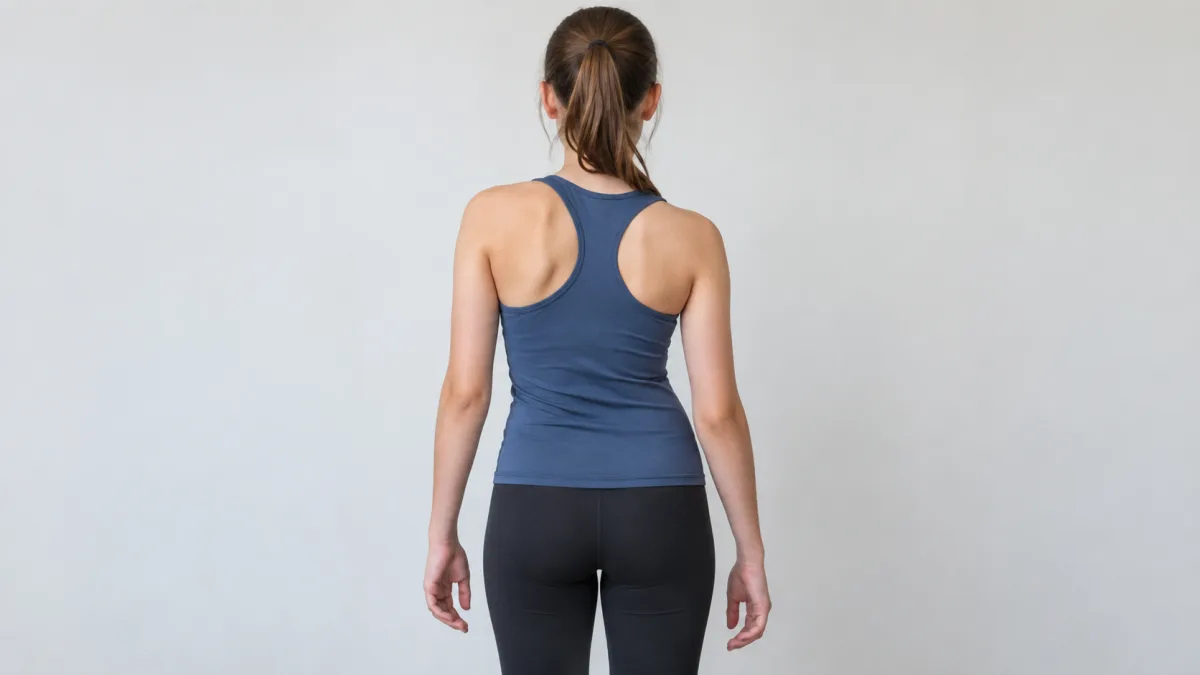
From behind, parents may notice:
- One shoulder sitting higher than the other.
- An uneven waistline or asymmetric shape of the trunk.
- One shoulder blade appearing more prominent than the other.
A child may show one or more of these signs, or none that are easy to see. They are reasons to seek an assessment, not proof of scoliosis. The accompanying photograph is an educational example; a doctor assesses the child rather than relying on a photograph alone.
How is scoliosis assessed?
Assessment usually includes the child’s medical history and a physical examination. The doctor may observe the child standing and bending forward and examine the back and nervous system. Standing spine X-rays may be used to confirm and measure a curve. Further tests are considered if the examination or history indicates they are needed.
Does every child need treatment?
No. Care depends on factors such as the child’s age and remaining growth, the curve’s size and pattern, whether it is changing, and its underlying cause. Some children need follow-up only. A brace may be recommended for some growing children, while surgery is considered for selected severe or progressive curves. The plan is individual.
If you notice a change in your child’s shoulder level, waistline, or back shape, arrange an assessment with a qualified spine specialist. This article is general information and cannot diagnose an individual child. Professor Hany Abdel Gawwad can assess the child and discuss suitable next steps with the family.