Kyphoscoliosis Correction surgeries
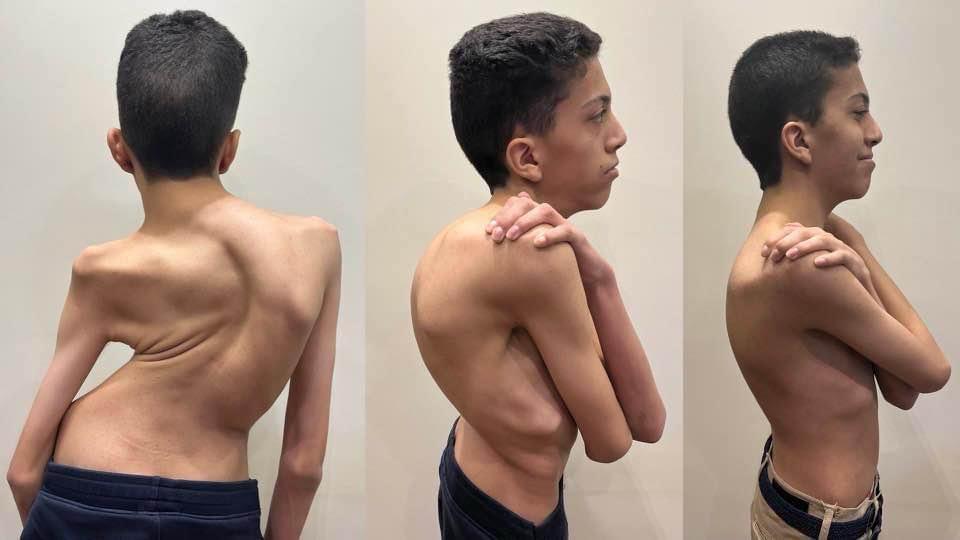
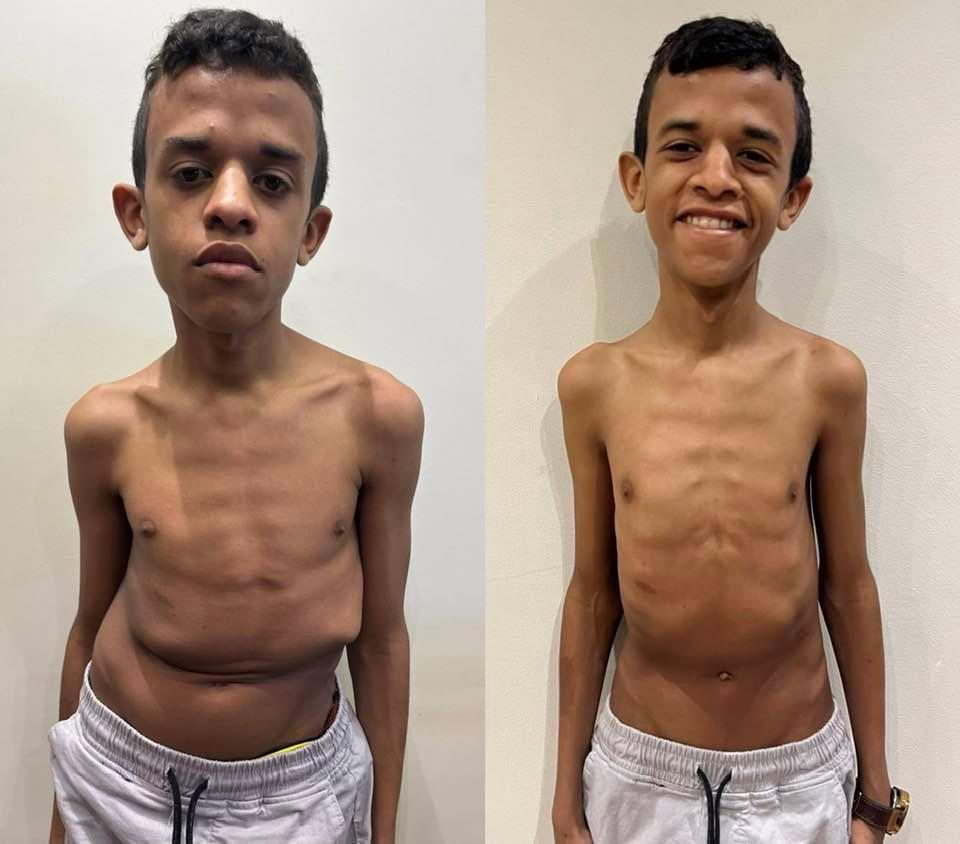
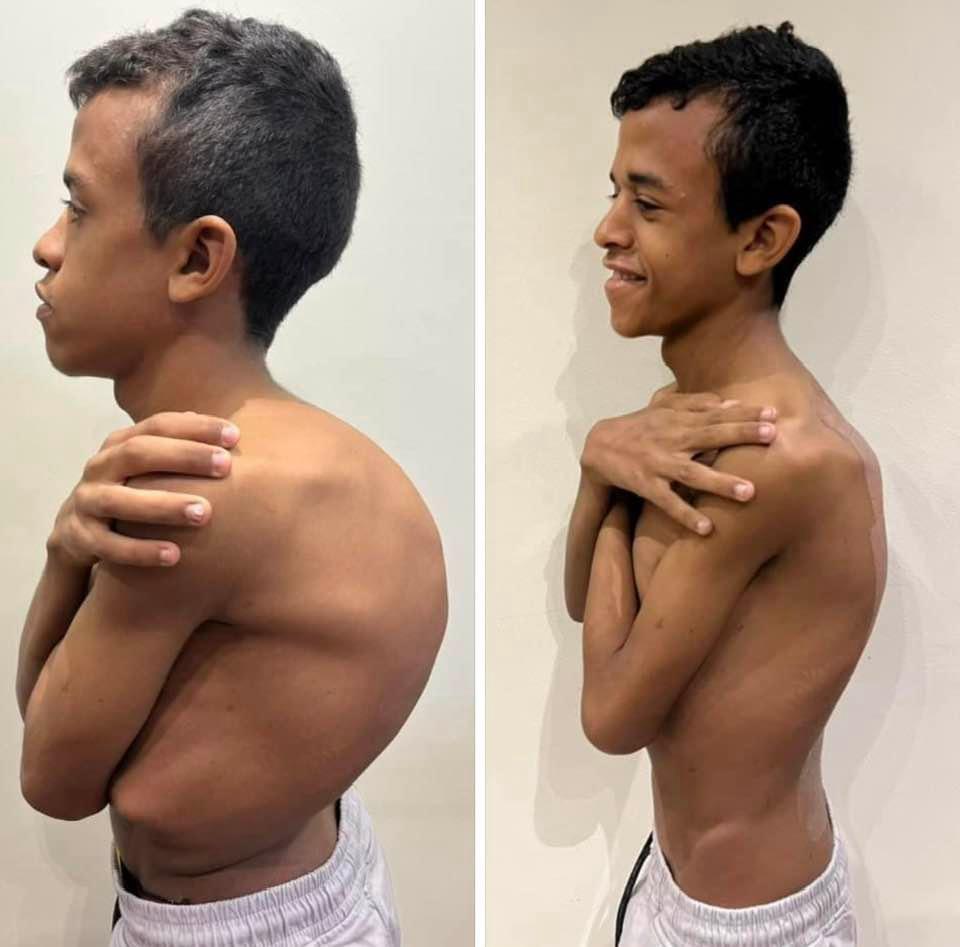
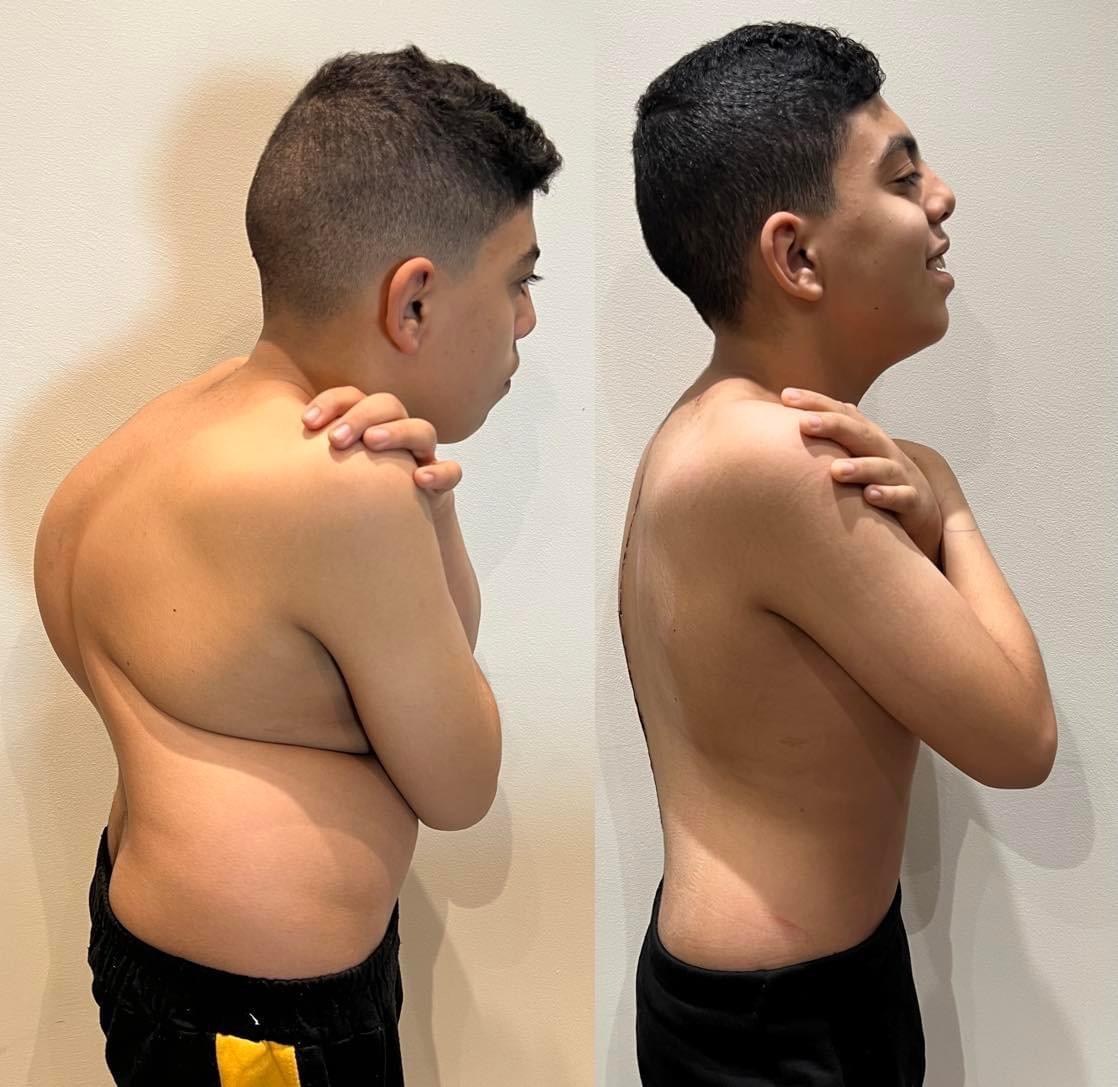
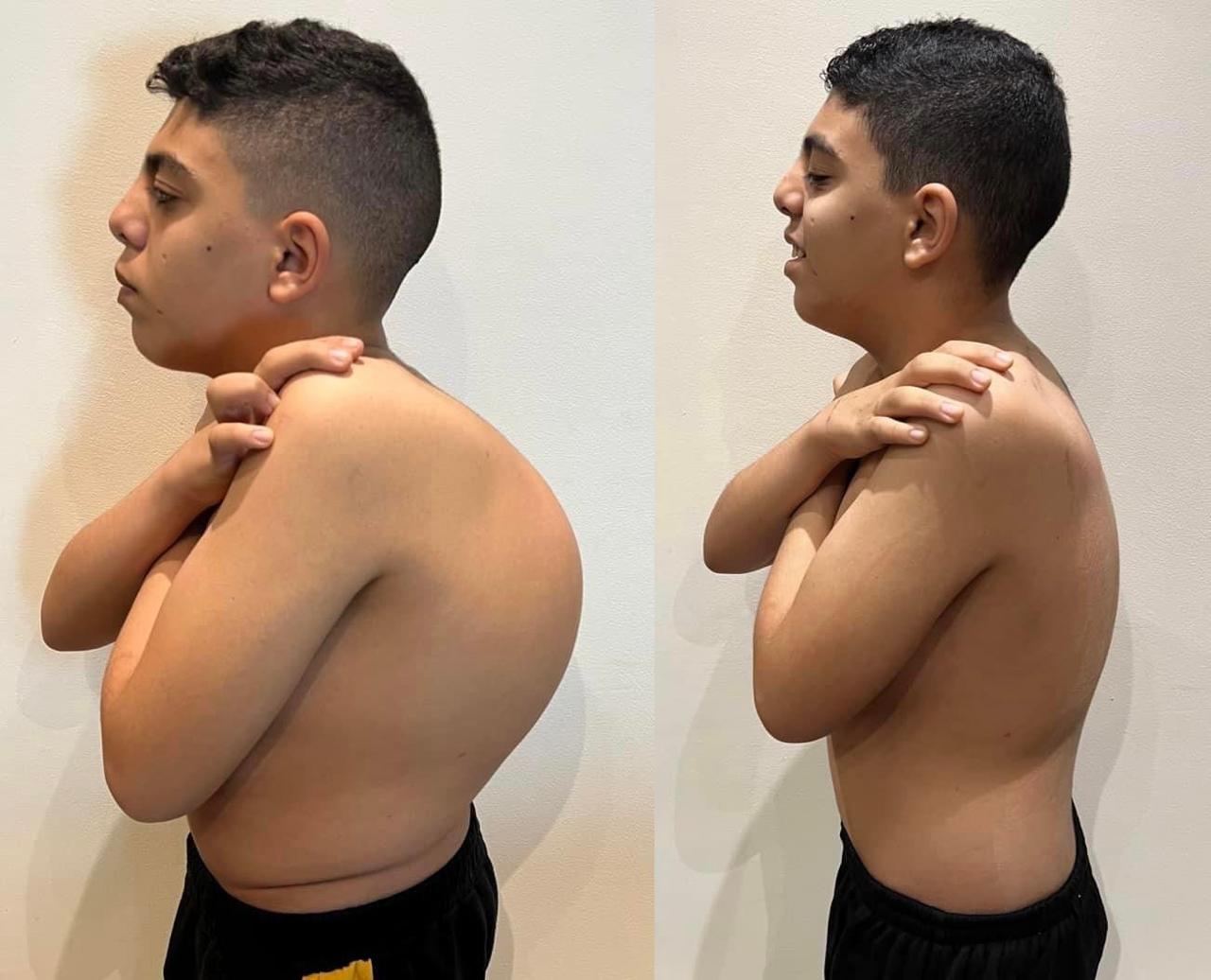
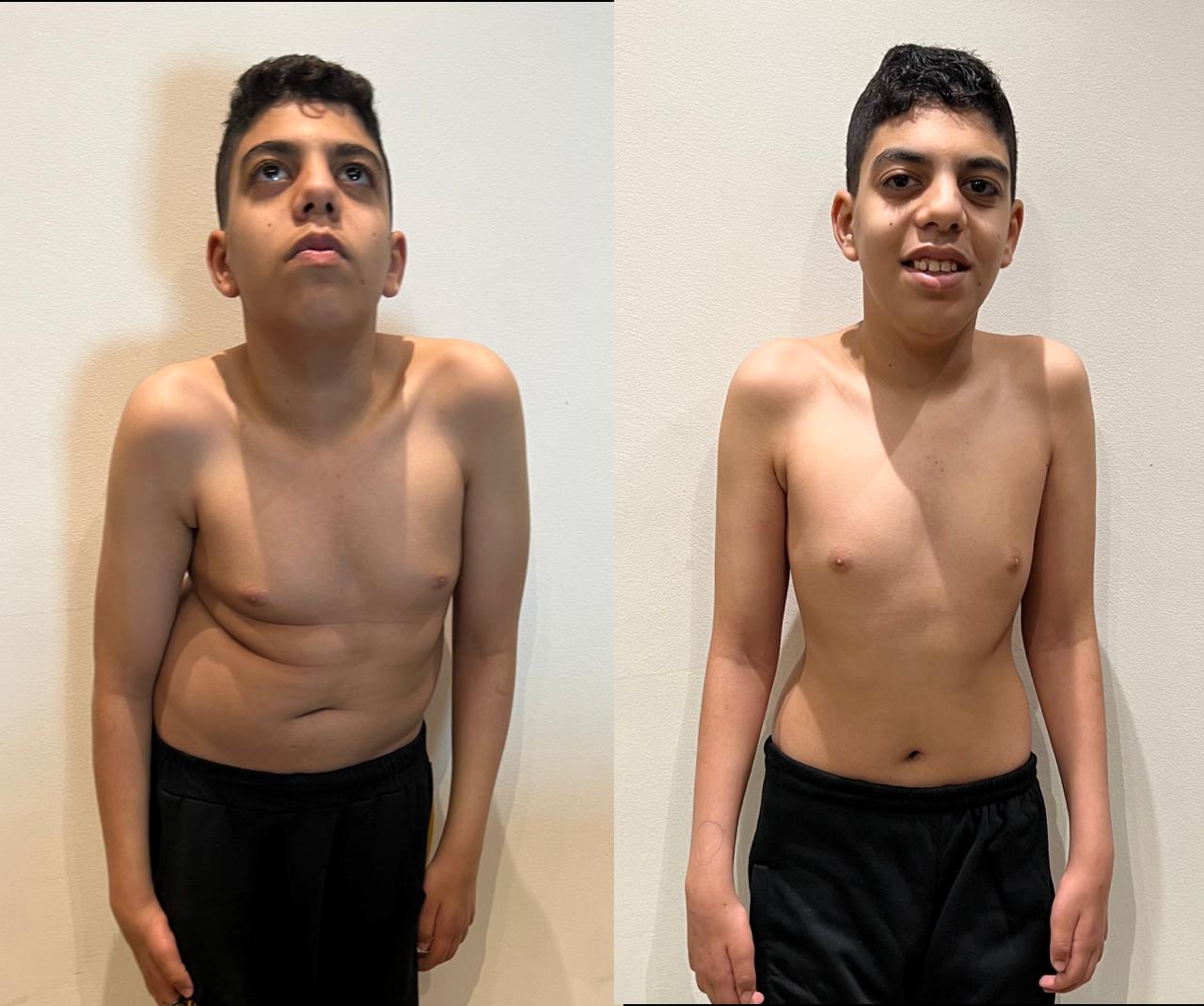
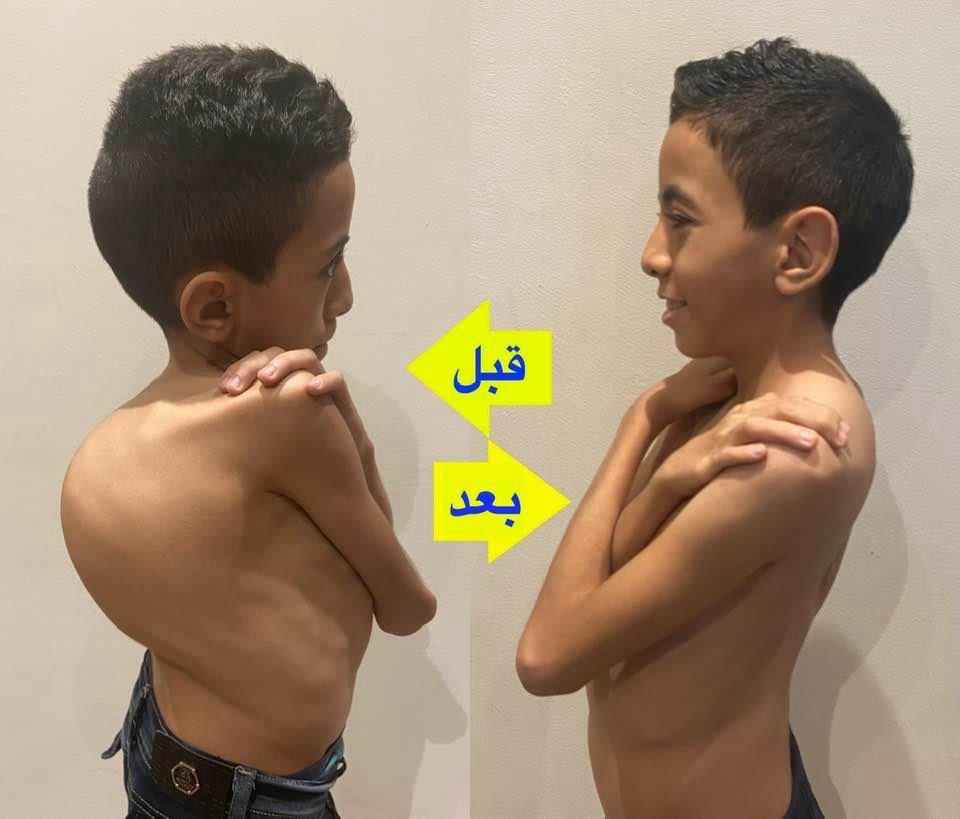
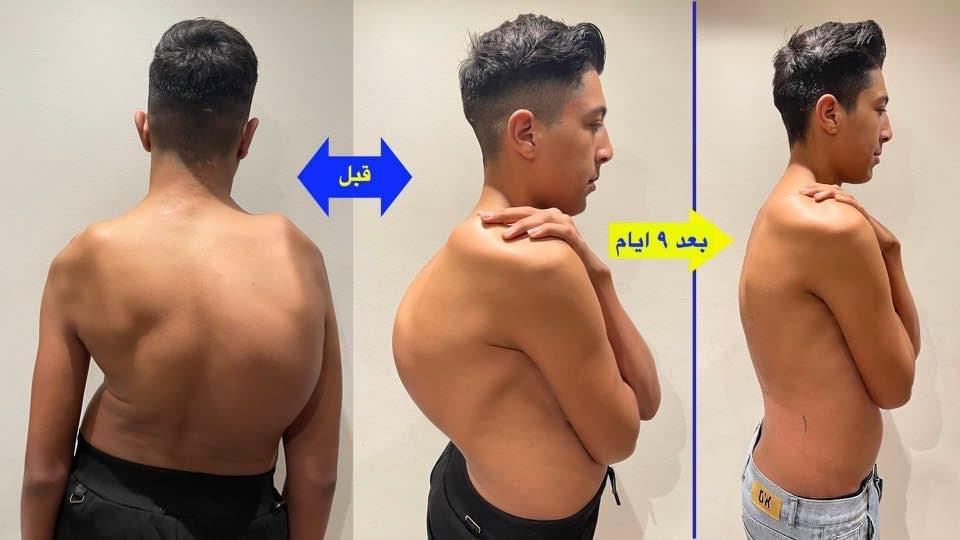
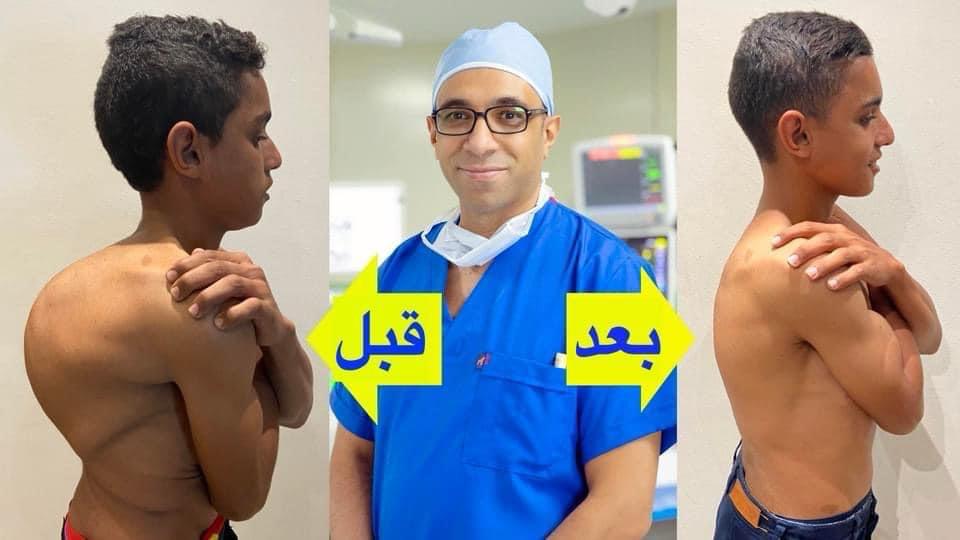
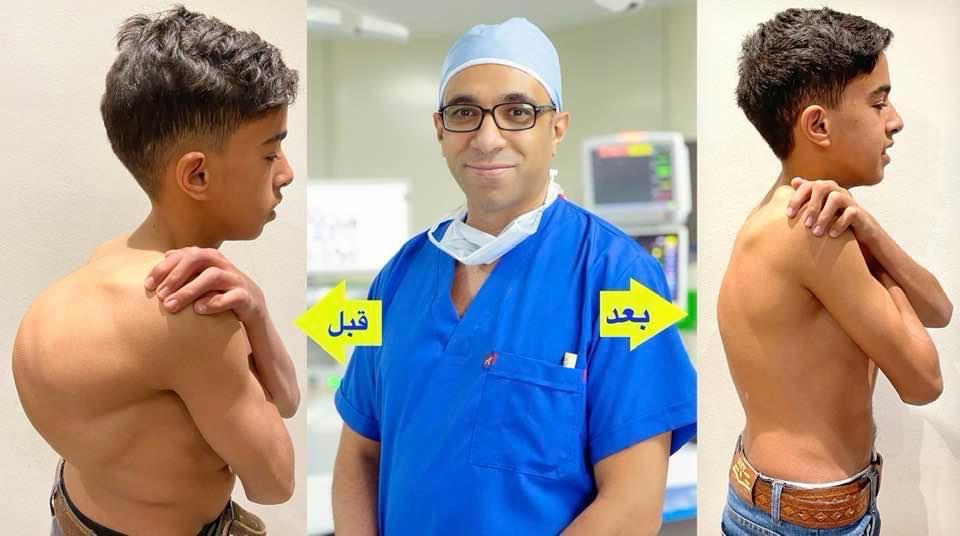
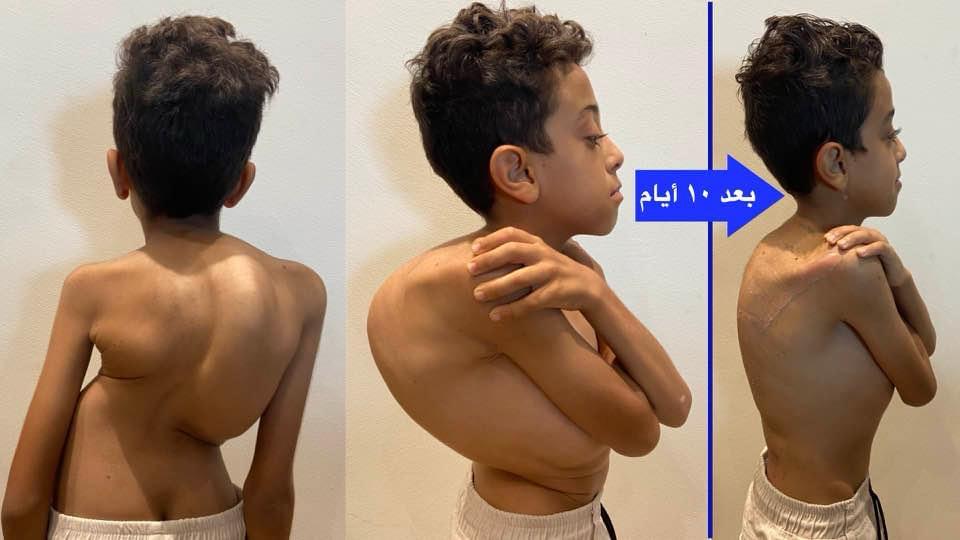
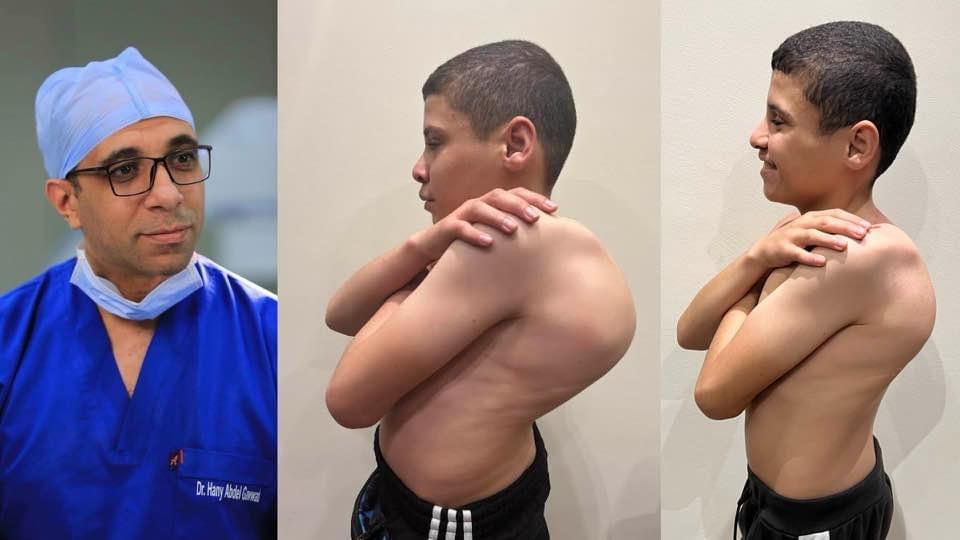
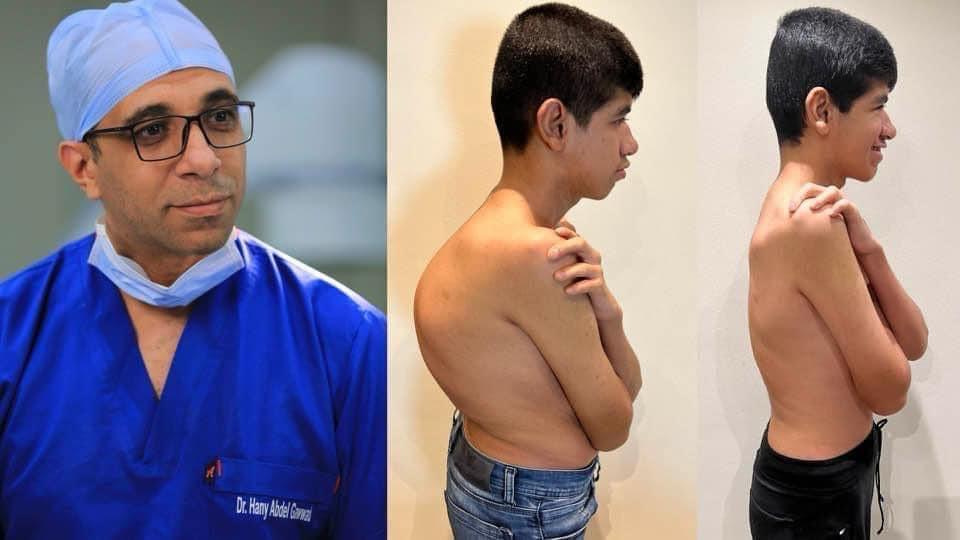
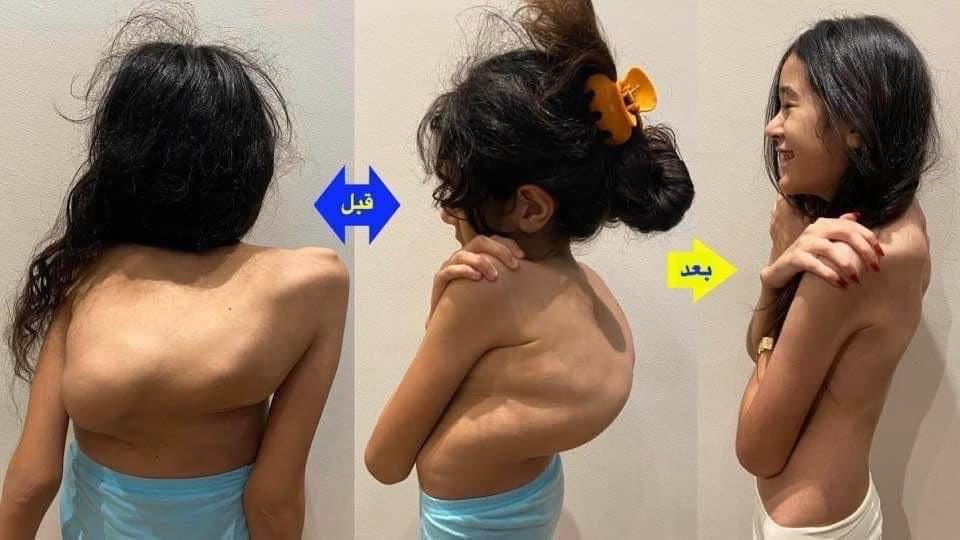
Kyphoscoliosis Correction Surgery
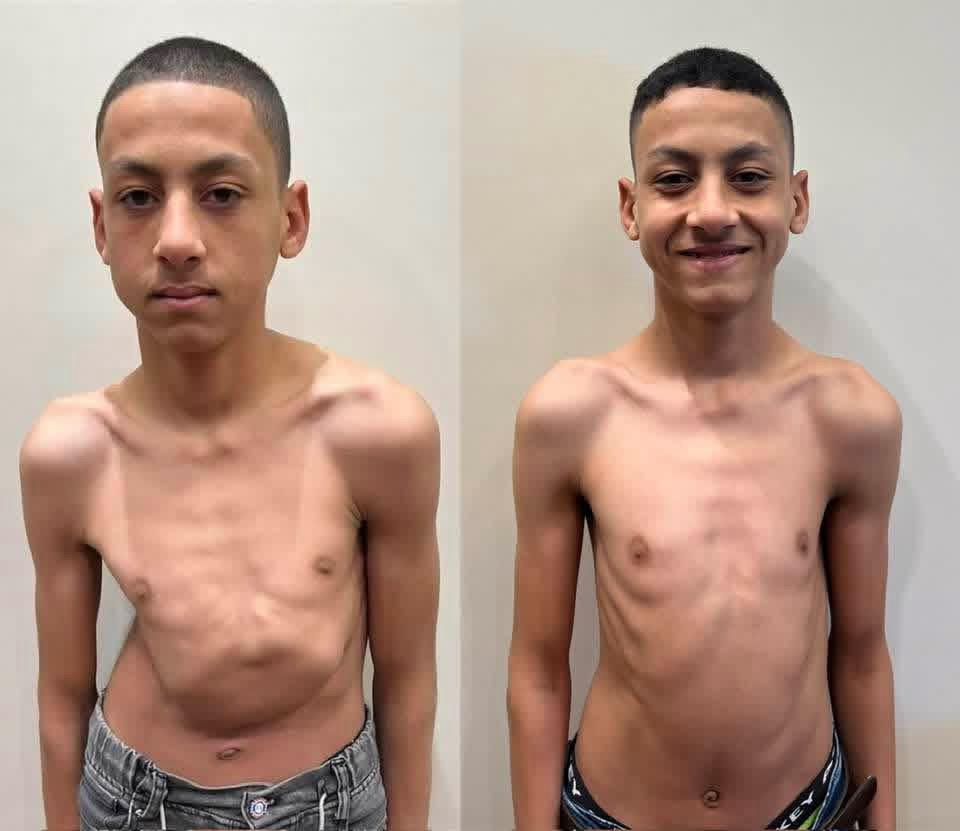
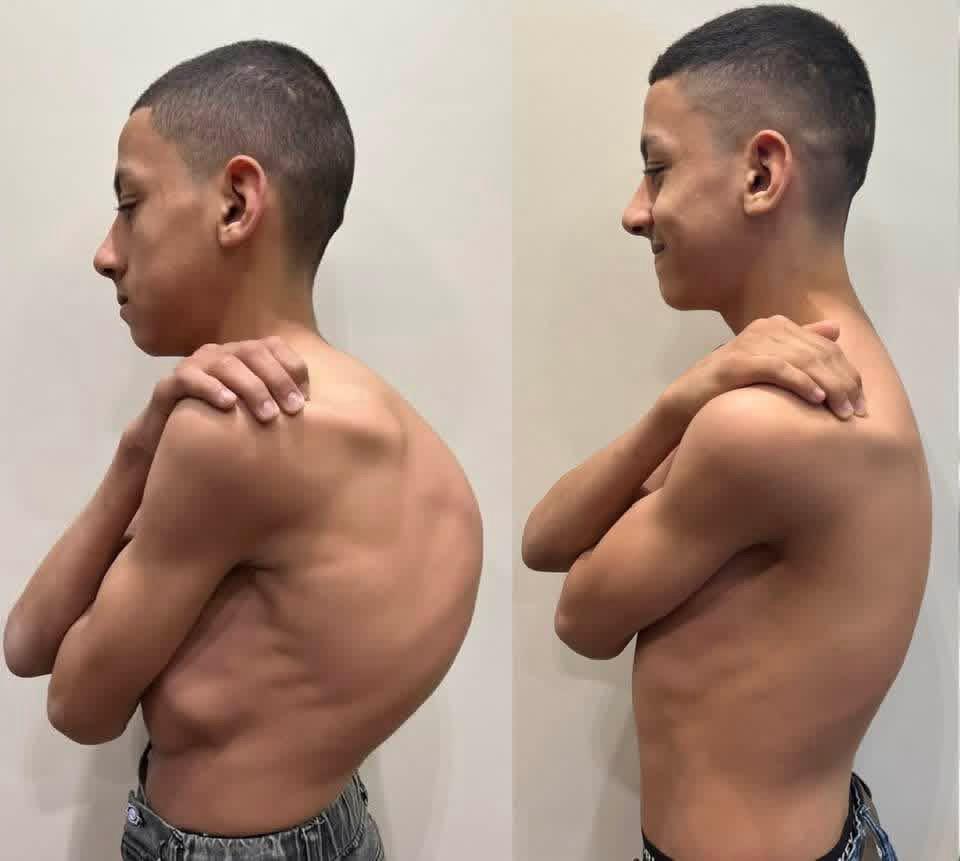
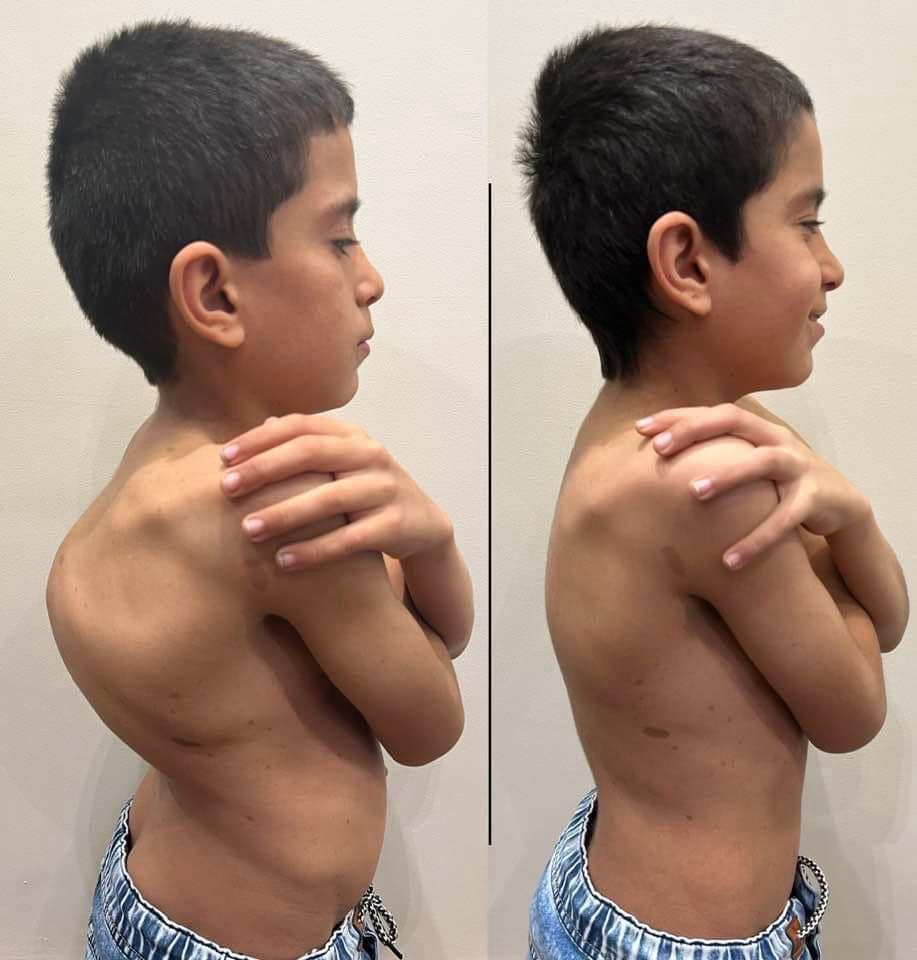
Kyphoscoliosis is a complex three-dimensional deformity in which sideways curvature and rotation of the spine—scoliosis—occur together with excessive forward curvature—kyphosis. The combination may affect the appearance and balance of the trunk, shoulders, rib cage, waist, and pelvis. In more severe cases, it can also cause pain, restricted mobility, reduced endurance, or difficulty breathing because of its effect on the chest and lung function.
Kyphoscoliosis can develop in children, adolescents, or adults. It may be idiopathic, present from birth because of abnormal vertebral development, associated with a neuromuscular or syndromic condition, or related to a previous spinal operation. Every deformity is different; therefore, treatment must be based on the patient’s age, remaining growth, underlying diagnosis, curve severity, flexibility, progression, symptoms, neurological condition, and general health.
When Is Kyphoscoliosis Surgery Considered?
Not every patient with kyphoscoliosis requires surgery. Mild or stable deformities may be followed with regular clinical examinations and standing X-rays. In growing patients, observation or bracing may be appropriate for selected flexible curves. Surgery may be considered when the deformity is severe, continues to progress, produces significant trunk imbalance, causes pain or functional limitations, affects breathing, or is unlikely to respond adequately to nonsurgical treatment.
The decision is never based on the Cobb angle alone. The degree of kyphosis, spinal balance, curve rigidity, remaining growth, associated medical conditions, neurological findings, pulmonary function, and expected natural progression must all be evaluated. Surgery should be recommended only when its anticipated benefits justify its potential risks.
Individualized Assessment and Surgical Planning
Before recommending surgery, Professor Hany Abdel Gawwad performs a detailed clinical and radiological assessment. This includes examining posture, shoulder and pelvic balance, trunk shift, neurological function, skin condition, walking pattern, and the overall effect of the deformity on the patient’s daily life.
Standing whole-spine X-rays are carefully reviewed to measure both the scoliosis and kyphosis and to assess overall spinal alignment. Bending or traction X-rays may be required to determine flexibility. MRI is used when evaluation of the spinal cord and nerves is necessary, while CT scans may provide detailed information about complex vertebral anatomy, congenital abnormalities, previous fusion, or the position available for safe implant placement. Pulmonary assessment may also be required when the chest is significantly affected.
This comprehensive evaluation allows the surgical strategy to be tailored to the individual patient rather than applying the same operation to every deformity.
Goals of Kyphoscoliosis Correction Surgery
The principal goals are to achieve a safer and better-balanced spine, prevent further progression, improve trunk alignment, preserve neurological function, and provide a durable result. When appropriate, surgery may also improve posture, functional ability, pain, self-image, and the space available for the chest.
Complete radiological straightening is not always necessary or safe. The desired correction must be balanced against the flexibility of the spine and the need to protect the spinal cord and nerve roots. In complex or rigid deformities, a controlled partial correction may provide the safest and most appropriate outcome.
How Is the Deformity Corrected?
In many patients, correction is performed through a posterior approach using pedicle screws and rods. Carefully planned corrective techniques are used to reduce the scoliosis, restore a more appropriate sagittal profile, improve spinal balance, and stabilize the corrected segments. Bone graft is placed to achieve a solid fusion and maintain the correction over time.
The exact procedure varies according to the deformity. Flexible curves may be corrected using standard instrumentation and controlled corrective maneuvers. Severe, rigid, congenital, or previously operated deformities may require additional techniques, such as specialized osteotomies, decompression, or revision of previous implants. The number of vertebrae included in the fusion is individually selected to obtain stable correction while preserving motion whenever safely possible.
Safety During Kyphoscoliosis Correction
Kyphoscoliosis correction is a major spinal procedure that requires meticulous preparation and an experienced spinal deformity surgeon. The surgeon’s experience, clinical judgment, technical skill, and ability to anticipate and respond to unexpected challenges are the most important factors in protecting patient safety.
Safe surgery also depends on a coordinated multidisciplinary approach. Essential components include correct patient positioning, specialized anesthesia, effective blood-loss management, accurate placement of screws and other implants, and continuous neurological monitoring of spinal cord and nerve function. However, the successful integration of all these measures depends fundamentally on the surgeon’s planning, experience, and decision-making throughout the operation.
Recovery and Walking After Surgery
Recovery differs according to the patient’s age, general condition, severity of the deformity, and complexity of the operation. When the patient’s general and neurological condition is stable, standing and assisted walking usually begin on the same day, approximately eight hours after surgery. Mobilization is supervised and progresses according to each patient’s condition.
Patients and their families receive clear instructions regarding wound care, medication, walking, sitting, returning to school or work, bending, lifting, and resuming sports. Regular follow-up examinations and postoperative X-rays are essential for monitoring spinal alignment, fusion, healing, and recovery.
Specialized Care for Children, Adolescents, and Adults
Professor Hany Abdel Gawwad provides specialist evaluation and surgical management for children, adolescents, and adults with kyphoscoliosis, including idiopathic, congenital, neuromuscular, syndromic, progressive, rigid, complex, and previously operated spinal deformities.
Every patient is assessed individually. The objective is not simply to correct an X-ray, but to select the safest and most appropriate treatment for the person as a whole—considering spinal balance, function, neurological protection, long-term expectations, and quality of life.
For an individualized assessment, please book an appointment with Professor Hany Abdel Gawwad.
Types of Kyphosis Scoliosis
- Congenital
- Idiopathic
- Neuromuscular
- Postural
- Degenerative (Adult)
Present at birth due to abnormal vertebral development; may progress with growth.
Most common, especially in adolescents, with no clear cause; requires monitoring.
Associated with conditions like cerebral palsy; often more severe and progressive.
Mild and flexible, related to poor posture; usually improves without surgery.
Develops with aging due to disc and joint degeneration; may cause pain and imbalance.
Common misconceptions about Kyphoscoliosis
Kyphoscoliosis is a combined deformity involving sideways (scoliosis) and forward (kyphosis) curvature of the spine. It can occur in different forms, each with its own cause and progression:
- “It’s caused by poor posture.”
- Heavy school bags or phone use cause it.
- “It will improve on its own.”
- “Bracing or physiotherapy can fix all cases.”
- “Surgery is too dangerous.”
In most cases, kyphoscoliosis is a structural condition—not simply the result of bad posture.
These may affect posture, but they do not cause true spinal deformity.
Many curves, especially during growth, tend to progress over time if left untreated.
These may help in selected cases, but more advanced deformities often require surgical correction.
While spine surgery is complex, modern techniques and expertise have made it safe and highly effective in properly selected patients.