Kyphosis Correction Surgeries
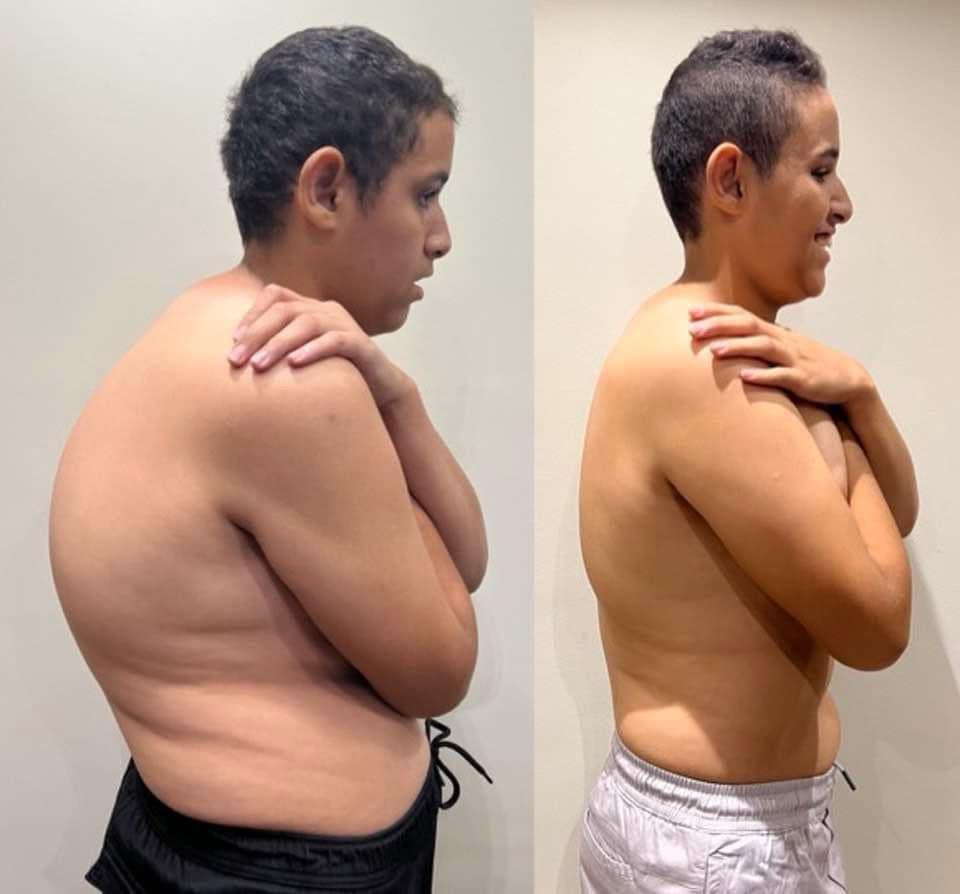
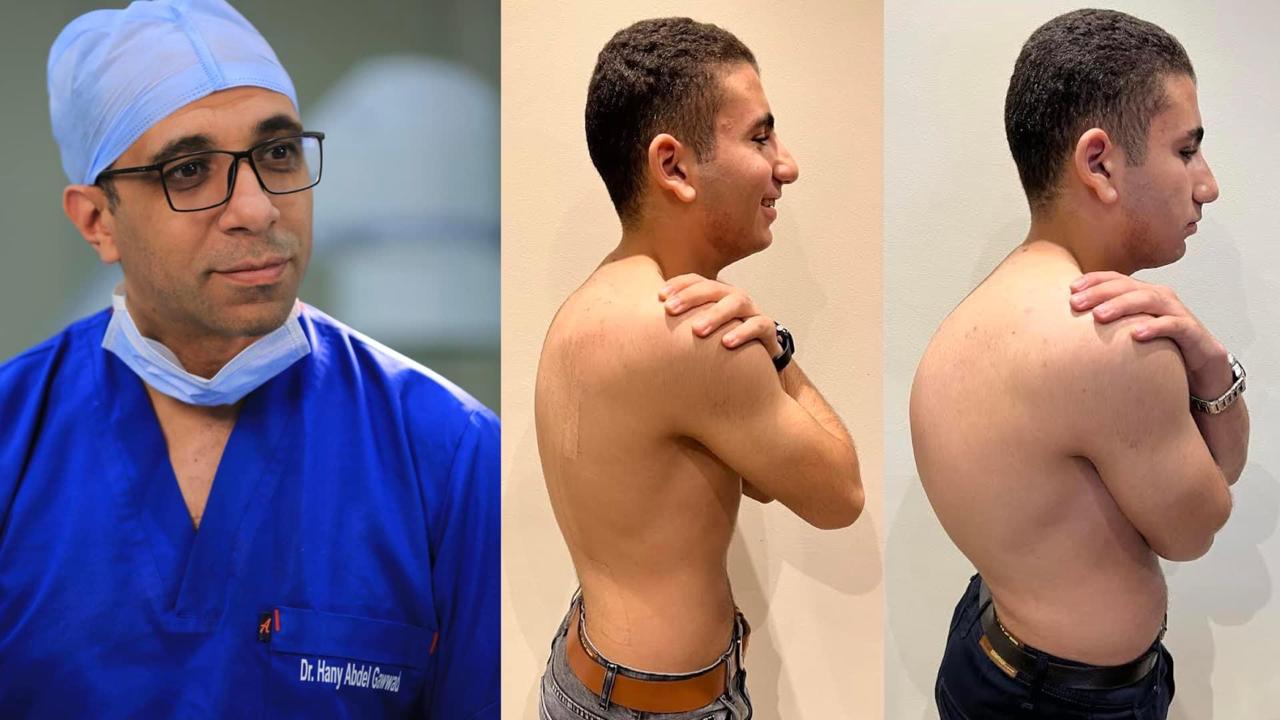
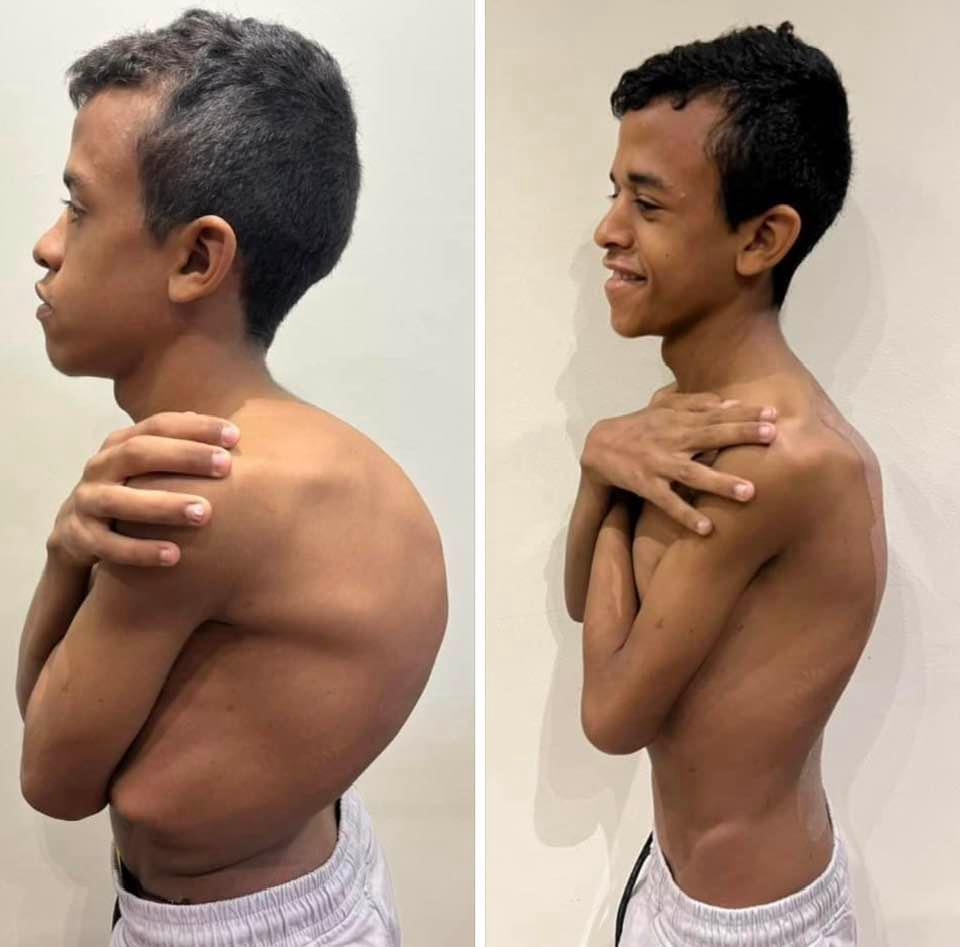
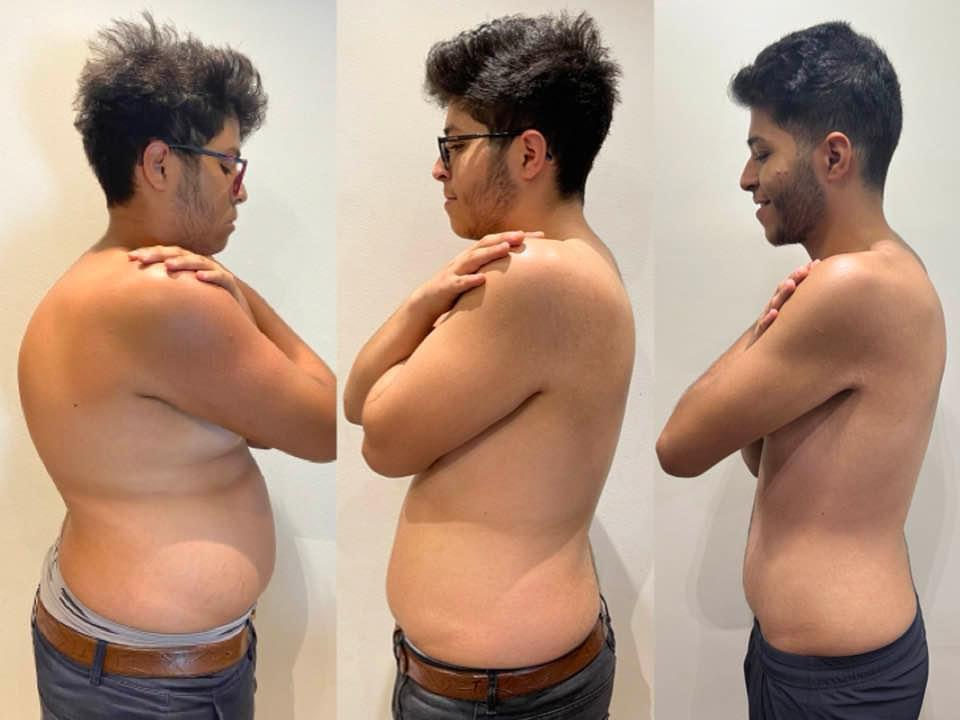
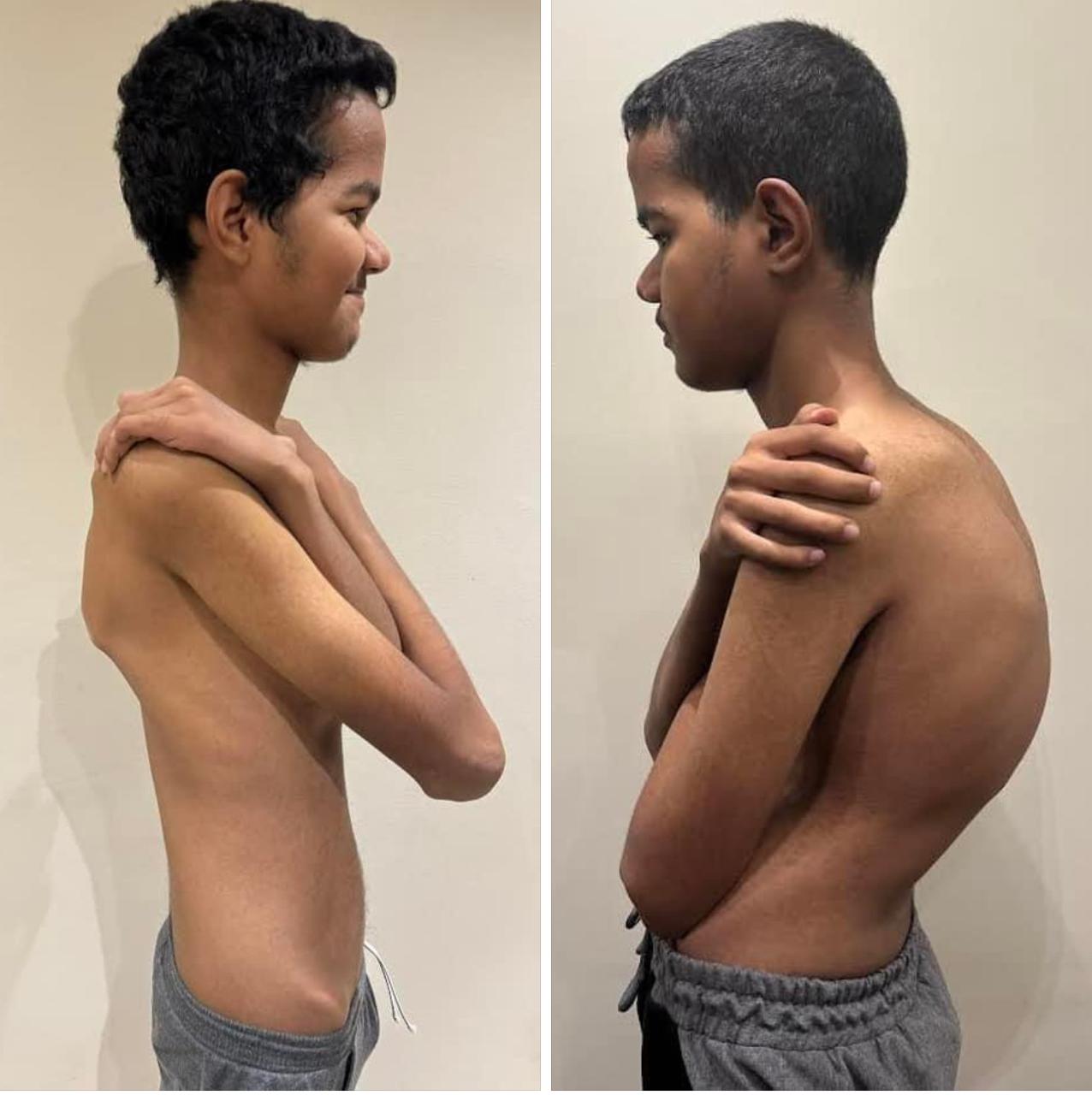
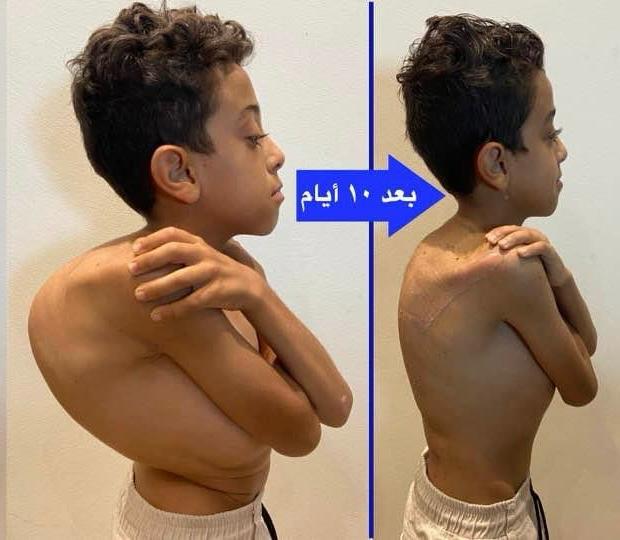
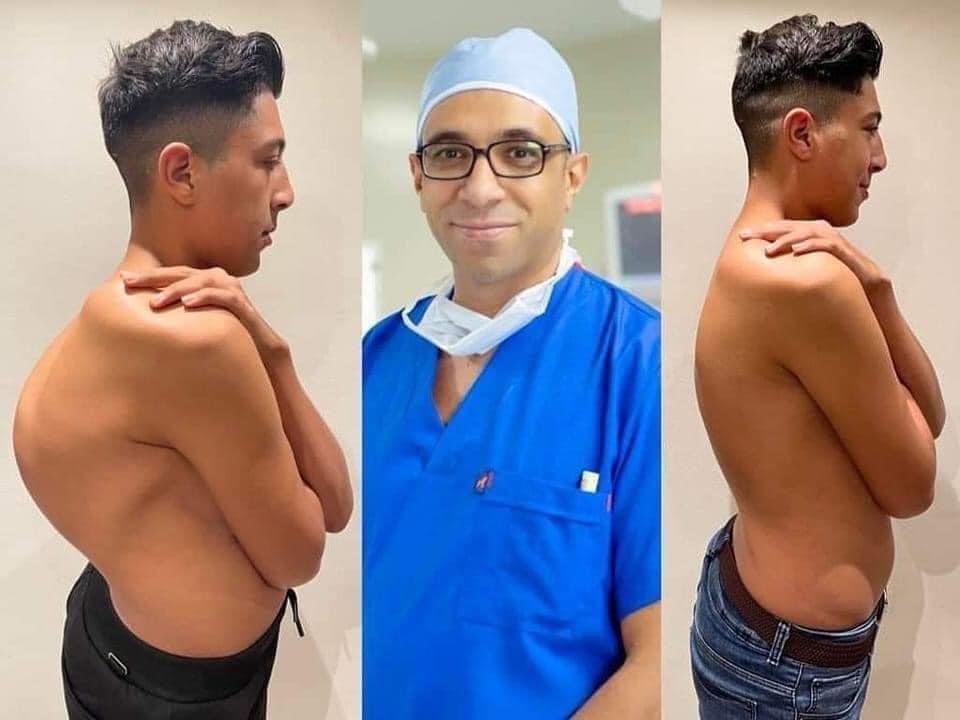
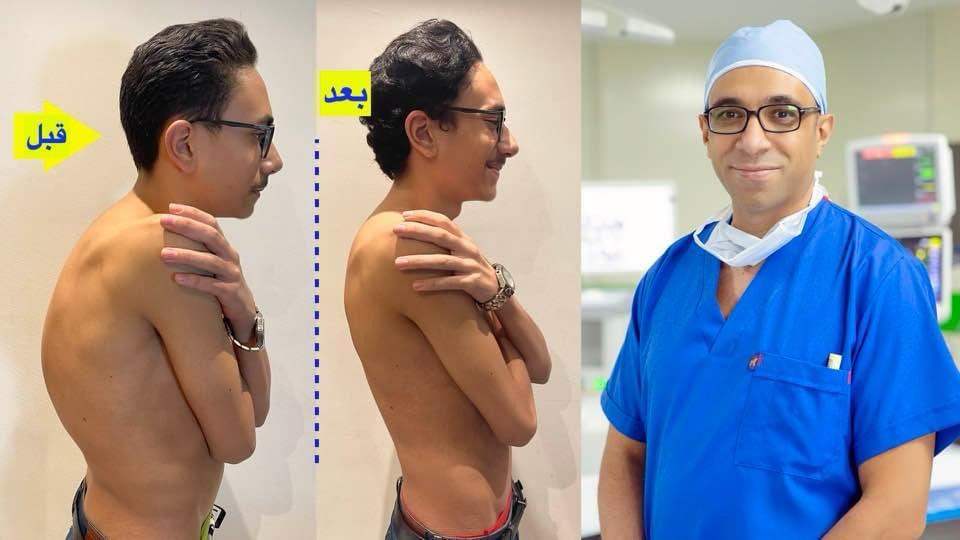
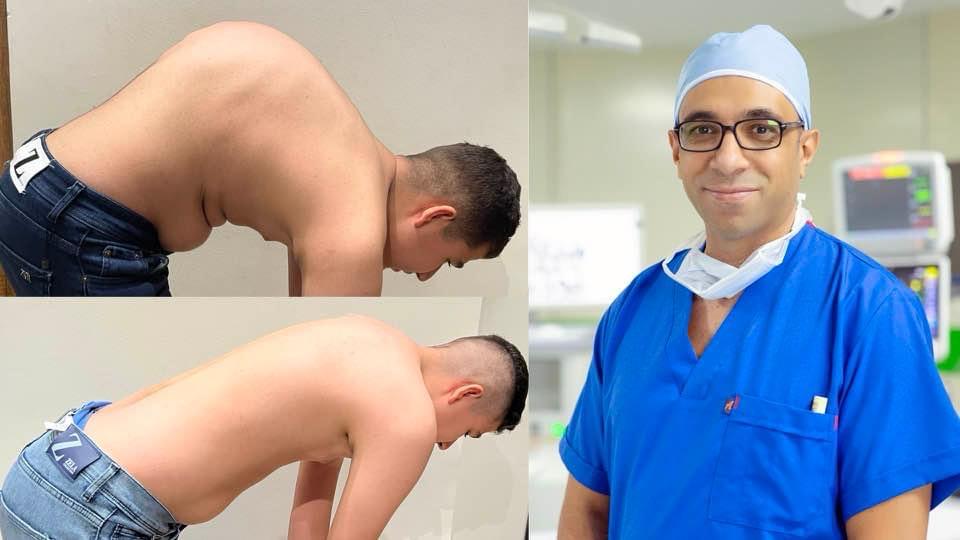
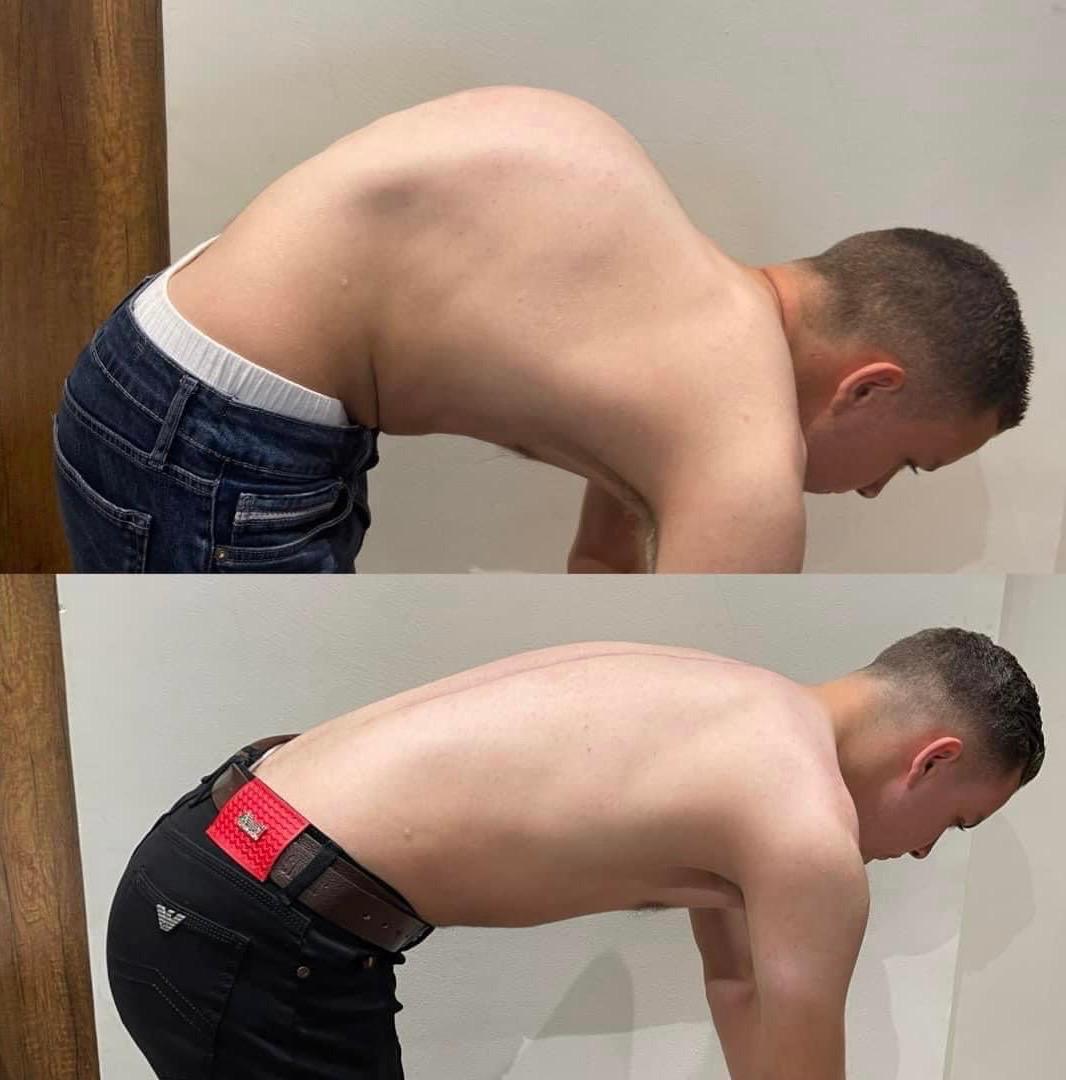
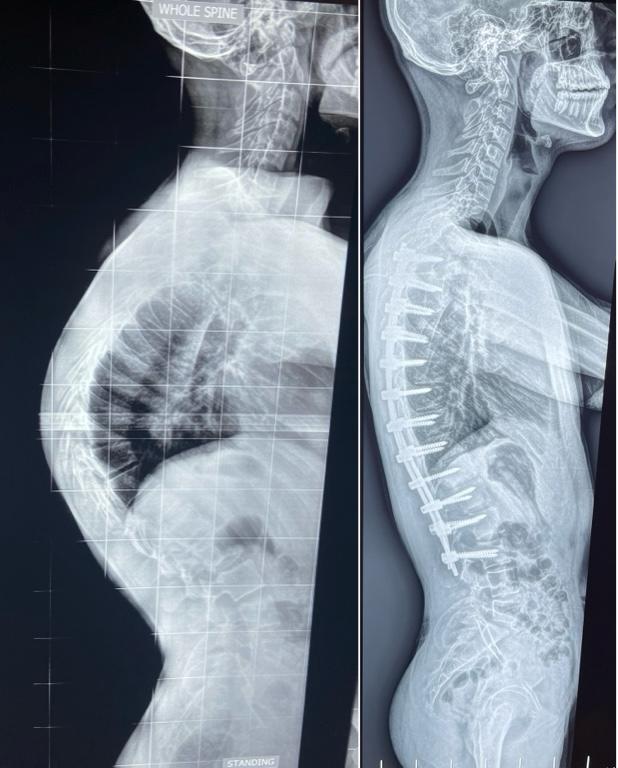
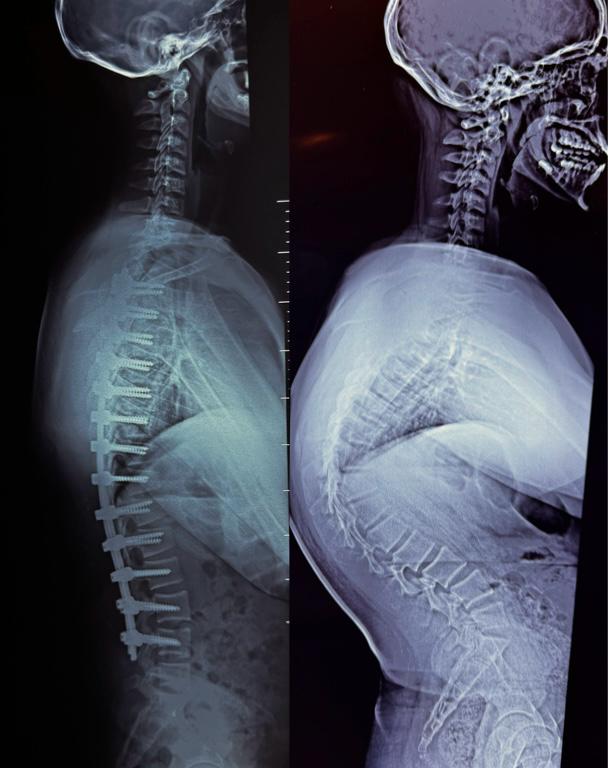
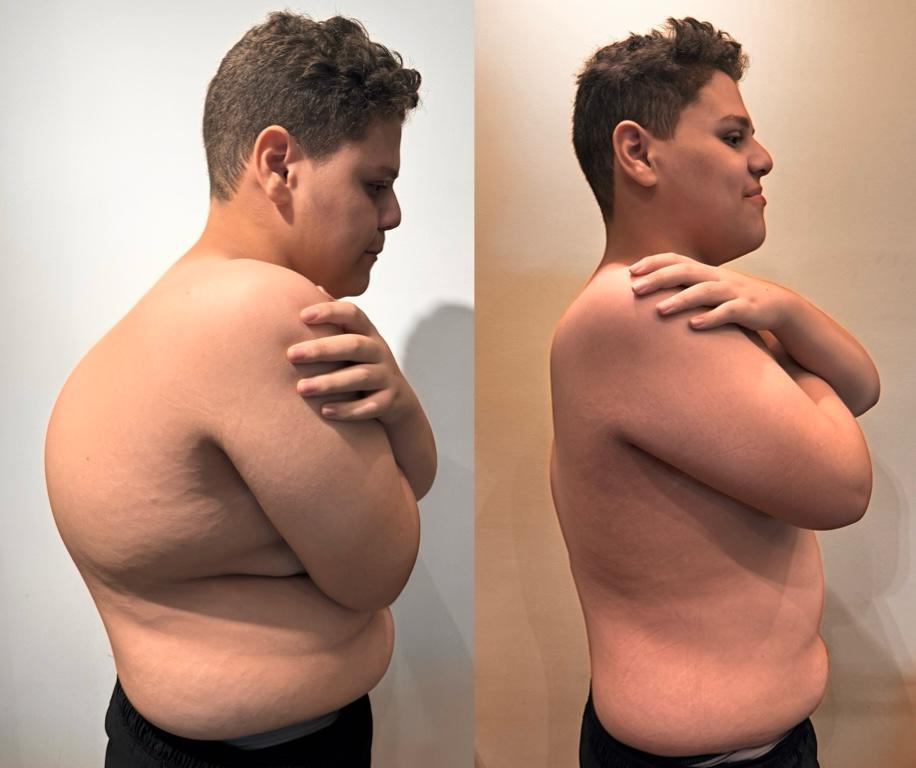
Kyphosis Correction Surgery
Kyphosis is an excessive forward curvature of the spine that can produce a rounded or hunched appearance of the back. Although the spine normally has a gentle forward curve in the thoracic region, an exaggerated or rigid curve may affect posture, spinal balance, physical function, and quality of life. Kyphosis can occur in children, adolescents, and adults, and its causes, severity, and progression vary considerably between patients.
Types and Causes of Kyphosis
Kyphosis may develop because of Scheuermann’s disease during adolescence, congenital abnormalities of spinal formation, neuromuscular conditions, infection, trauma, osteoporosis, degenerative changes, or previous spinal surgery. Some curves remain flexible and relatively mild, while others become rigid, progressive, painful, or associated with significant imbalance.
The effects of kyphosis are not limited to appearance. Progressive deformity may cause back pain, fatigue, difficulty standing upright, reduced mobility, and problems maintaining a balanced posture. Severe deformities may also compromise neurological function or restrict the space available for the lungs, particularly when the curvature is pronounced or accompanied by scoliosis.
When Is Kyphosis Surgery Considered?
Not every patient with kyphosis requires surgery. Mild or flexible curves may be managed with observation, physiotherapy, posture-related exercises, pain management, or bracing in selected growing patients. Surgery may be considered when the deformity is severe, rigid, or continuing to progress; when it causes substantial pain, functional limitation, neurological symptoms, or significant imbalance; or when appropriate nonsurgical treatment has not achieved an acceptable result.
The decision to operate is never based on the measured angle alone. The patient’s age, remaining growth, underlying diagnosis, curve flexibility, overall spinal balance, symptoms, neurological condition, general health, and potential for future progression must all be evaluated carefully.
Individualized Assessment and Surgical Planning
Professor Hany Abdel Gawwad performs a detailed clinical and radiological assessment before recommending kyphosis correction surgery. This evaluation may include standing full-spine X-rays, bending or hyperextension views to assess flexibility, and MRI or CT imaging when additional information is required.
Each operation is planned according to the patient’s specific deformity. The strategy may differ significantly between an adolescent with Scheuermann’s kyphosis, a child with congenital kyphosis, an adult with a rigid deformity, and a patient who has undergone previous spinal surgery. Careful planning helps determine the appropriate levels of correction and fusion while protecting spinal balance and neurological function.
Goals of Kyphosis Correction Surgery
The principal goals are to achieve a safer and more balanced spinal alignment, prevent further progression, improve the patient’s ability to stand and function, and relieve symptoms when possible. The objective is not to create a perfectly straight spine or pursue maximum correction at any cost. The degree of correction must always be balanced against the need to protect the spinal cord, nerve roots, and surrounding structures.
Surgery commonly involves posterior spinal instrumentation with pedicle screws and rods, together with spinal fusion. In severe, rigid, congenital, or previously operated deformities, more advanced corrective techniques may be necessary. The exact surgical approach is selected individually according to the anatomy and complexity of each case.
Safety During Kyphosis Correction Surgery
Kyphosis correction is a major spinal procedure that requires meticulous preparation and an experienced spinal deformity surgeon. The surgeon’s experience, clinical judgment, technical skill, and ability to anticipate and respond to unexpected challenges are the most important factors in protecting patient safety. Safe surgery also depends on a coordinated multidisciplinary approach that includes careful patient positioning, specialized anesthesia, effective blood-loss management, accurate implant placement, and continuous neurological monitoring. All these elements are essential components of care, but their successful integration depends fundamentally on the surgeon’s planning, experience, and decision-making throughout the operation.
Recovery and Follow-up
Recovery varies according to the patient’s age, health, deformity, and the complexity of surgery. Mobilization generally begins under supervision when medically appropriate, followed by a gradual return to everyday activities. Patients receive individualized instructions regarding walking, sitting, school or work, bending, lifting, and sports.
Regular clinical follow-up and postoperative imaging are important for monitoring spinal alignment, healing, fusion, and recovery. Professor Hany Abdel Gawwad provides specialized assessment and surgical management for children, adolescents, and adults with kyphosis, including complex, congenital,
For appointments or a specialist assessment,
For appointments or a specialist assessment, please contact our team
Types of Kyphosis
- Postural Kyphosis:
- Scheuermann’s Kyphosis:
- Congenital Kyphosis:
- Degenerative Kyphosis:
- Secondary Kyphosis:
A mild, flexible curve caused by poor posture, commonly seen in adolescents.
A structural deformity during growth, leading to a more rigid and noticeable curve.
Present from birth due to abnormal vertebral formation, often progressive.
Occurs in adults due to aging, disc wear, or osteoporosis.
Results from conditions such as infection, trauma, tumors, or neuromuscular diseases.
Common misconceptions about Kyphosis
- Kyphosis is only a cosmetic problem
- Poor posture is the main cause of kyphosis
- Any rounding of the back means kyphosis
- Exercises alone can correct kyphosis
- Bracing can treat all cases of kyphosis
- Kyphosis does not worsen over time
- If there is no pain, there is no problem
- Treatment should be delayed until the child grows
- Kyphosis surgery is always dangerous and should be avoided.
- Kyphosis surgery always takes a very long time
- Patients cannot move after kyphosis surgery
- Kyphosis cannot be treated after a certain age.
In reality, advanced kyphosis can lead to chronic pain, reduced mobility, and even breathing difficulties—not just a change in appearance.
Poor posture may cause temporary rounding, but true kyphosis is usually due to growth-related conditions or underlying spinal disorders.
Not all spinal curves are pathological. Many are postural and improve with proper alignment, while true kyphosis requires specialist evaluation.
While exercises improve strength and flexibility, they cannot correct structural deformities—especially in more advanced cases.
Bracing is effective in selected growing patients, but it is not suitable for all cases and does not correct severe deformities.
Kyphosis can progressively worsen, particularly during growth or with aging, if left untreated
Kyphosis may be painless in its early stages but can progress silently and later affect function and quality of life.
Delaying treatment can allow the deformity to progress, making correction more complex and outcomes less optimal.
With modern techniques and extensive surgical expertise, kyphosis surgery is now highly safe and, in many cases, the most effective solution.
Although surgery may take 6–8 hours in some centers, Professor Hany Abdel Gawwad performs most kyphosis correction procedures in approximately 2 hours—a key advantage that helps reduce blood loss, lower complication rates, and accelerate recovery.
On the contrary, early mobilization is encouraged, and patients typically return gradually to normal daily activities.
Kyphosis can be successfully treated at any age, with the approach tailored to the patient’s condition and severity.