Scoliosis Correction Surgeries
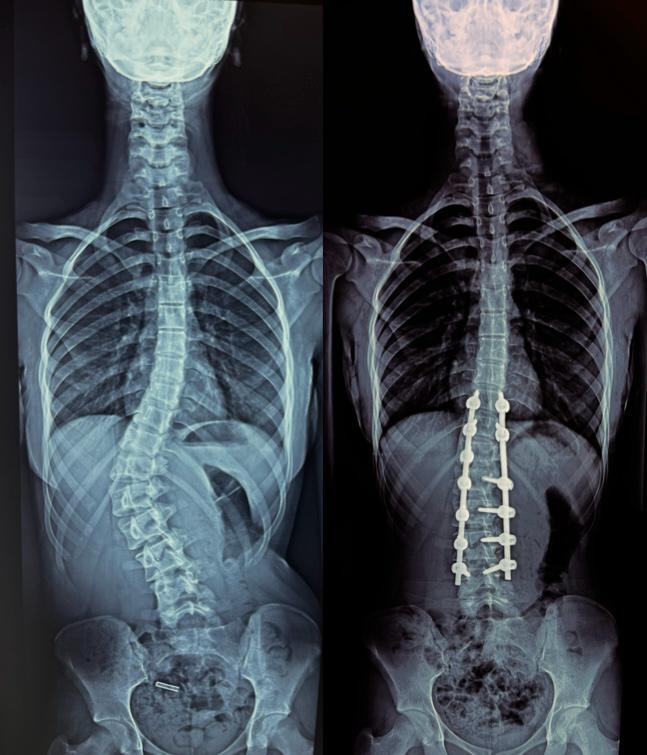
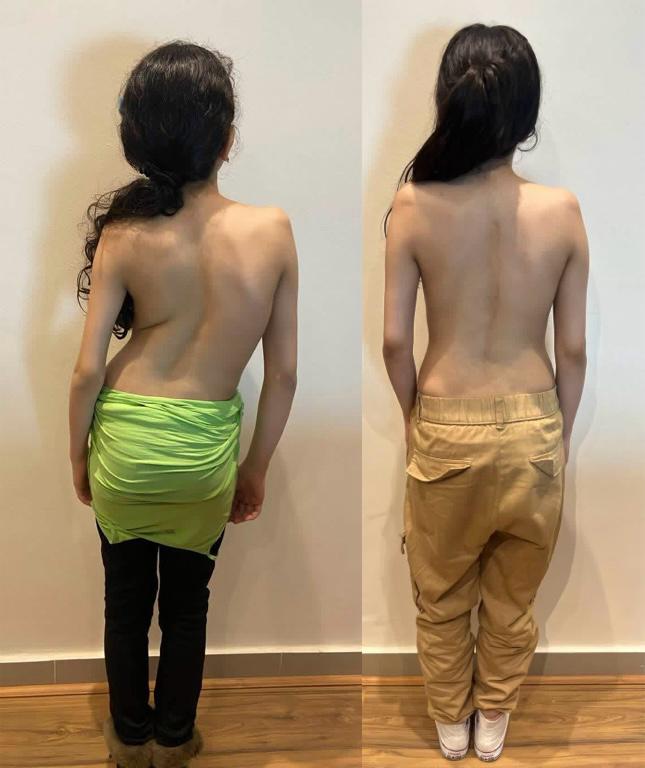
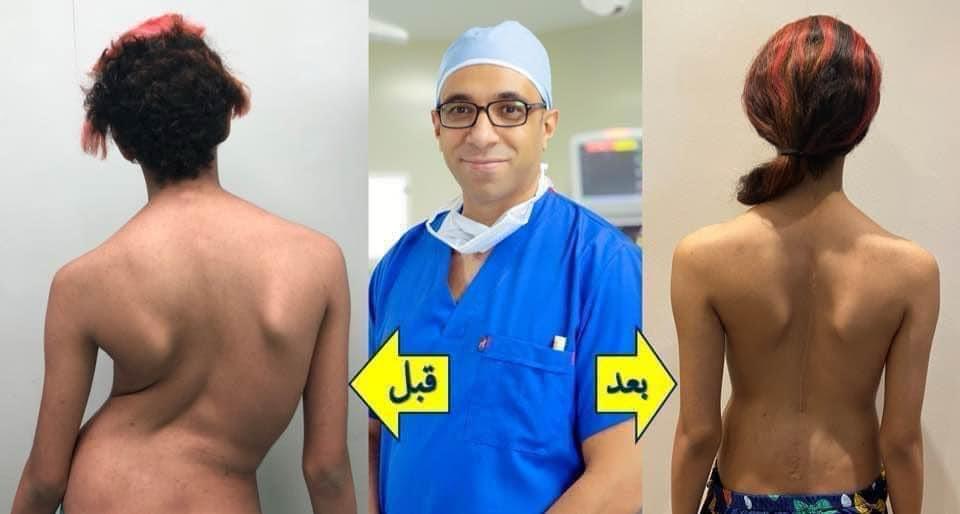
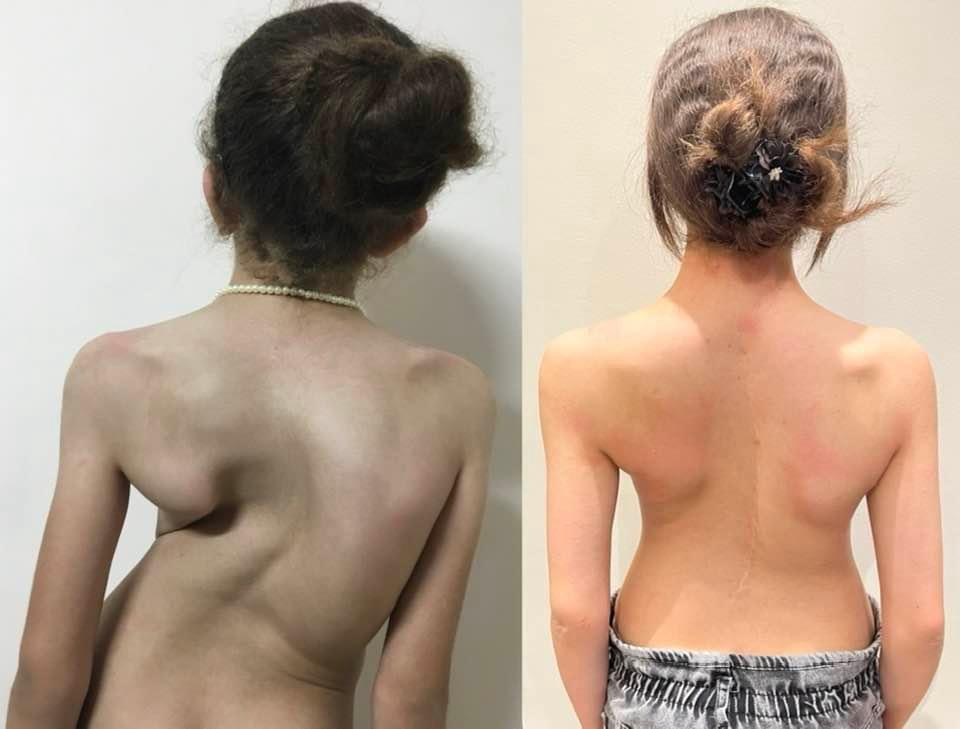
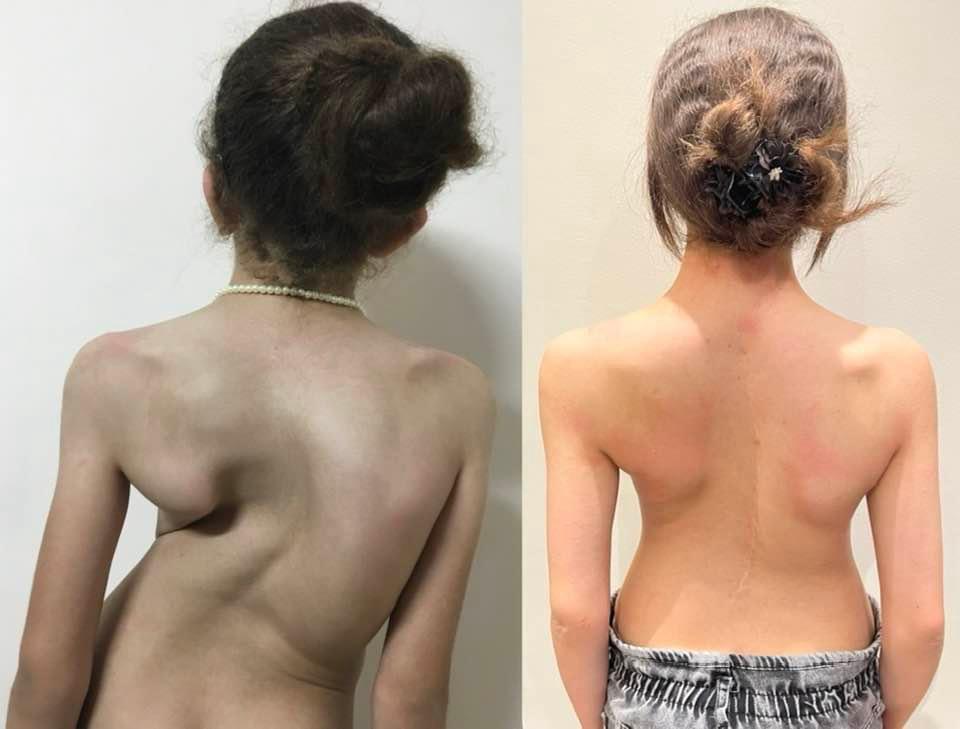
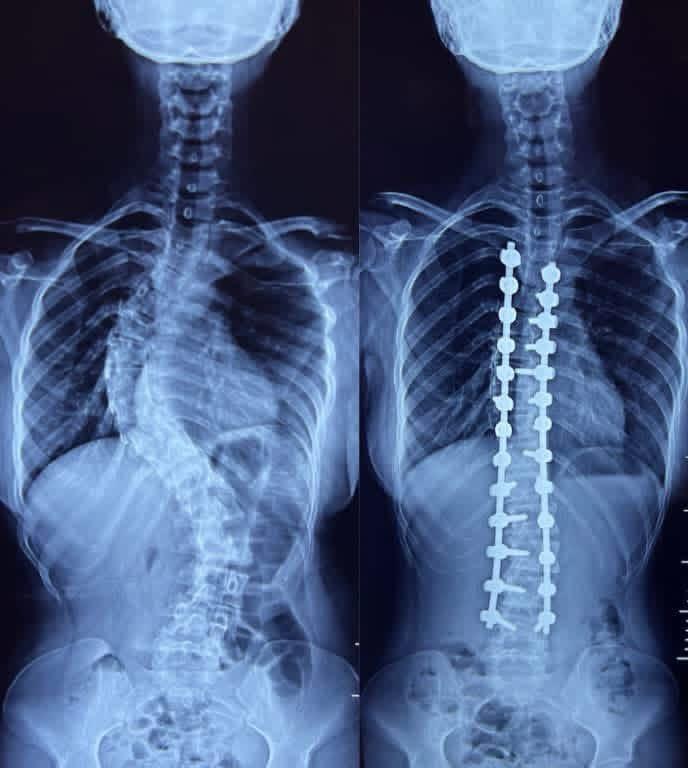
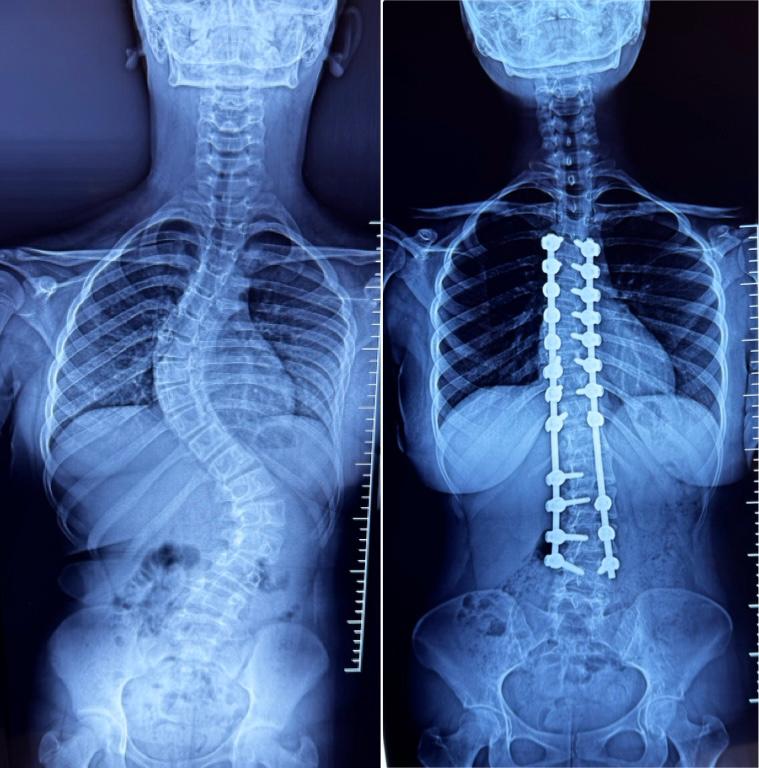
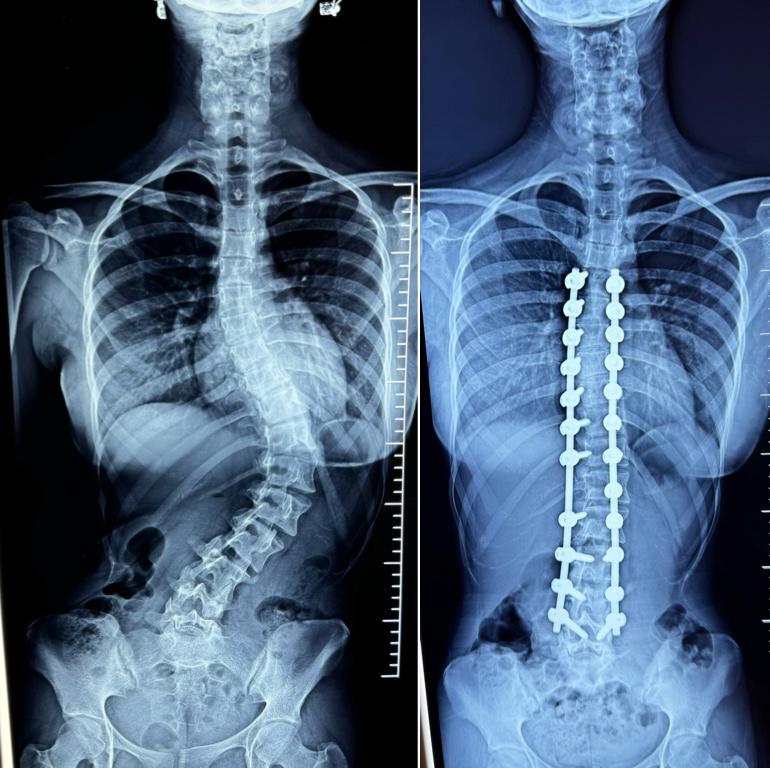
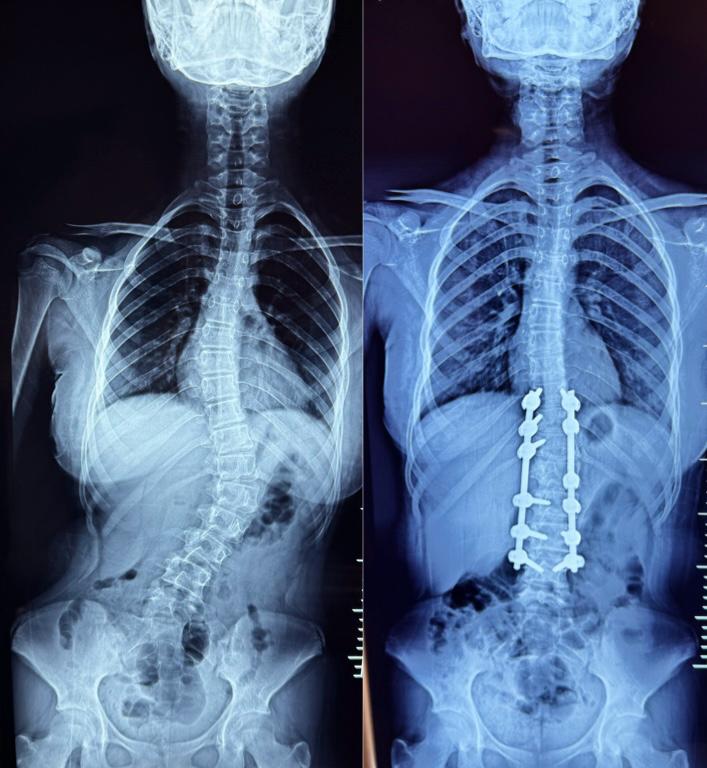
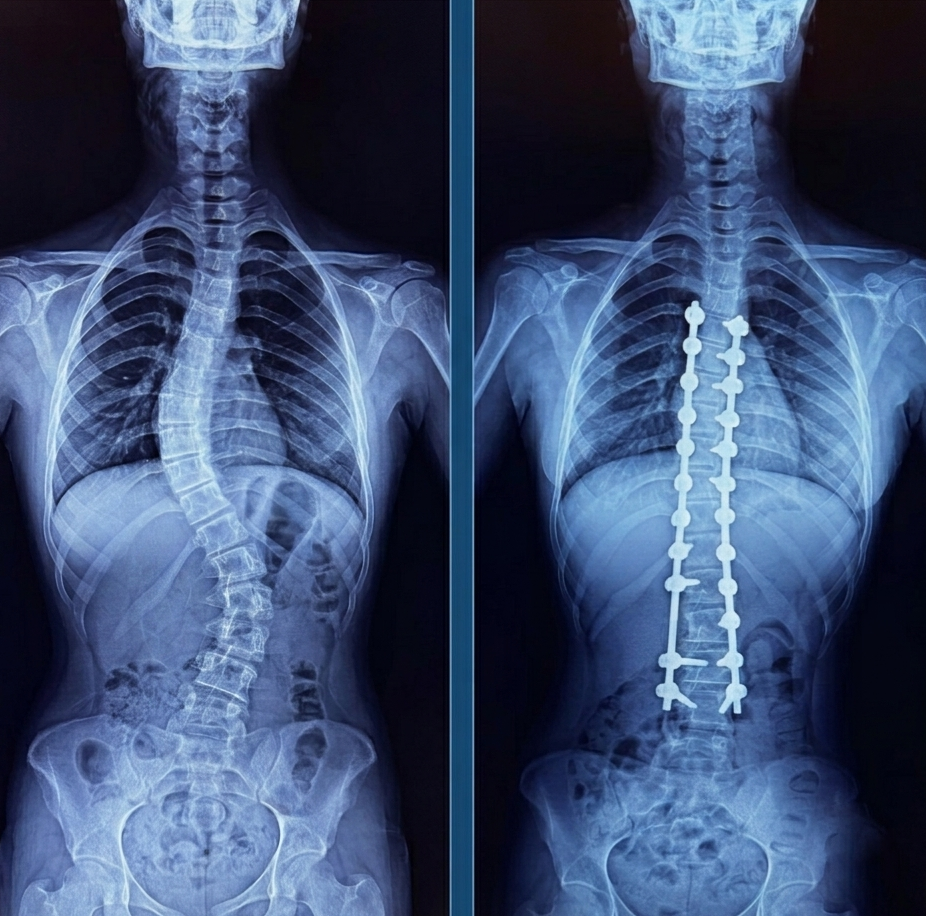
Scoliosis Correction Surgery
Scoliosis is a three-dimensional deformity of the spine in which the spine curves sideways and the vertebrae rotate. It may develop during childhood or adolescence, be present from birth, or become apparent in adulthood. Although many mild spinal curves can be monitored or treated without surgery, progressive or severe scoliosis may cause visible imbalance of the shoulders, trunk, waist, or pelvis. In some patients, it may also lead to pain, reduced function, or breathing difficulties.
When Is Scoliosis Surgery Considered?
Scoliosis correction surgery may be considered when the spinal curve is severe, continues to progress, causes significant imbalance or symptoms, or is unlikely to respond adequately to nonsurgical treatment. The decision is never based on the Cobb angle alone. The patient’s age, remaining growth, curve pattern, spinal balance, symptoms, underlying diagnosis, general health, and potential for further progression must all be carefully evaluated.
Before recommending surgery,
Professor Hany Abdel Gawwad performs a detailed clinical assessment and reviews the necessary standing X-rays and, when indicated, bending X-rays, MRI, or CT scans. This comprehensive evaluation helps define the deformity, assess its flexibility, identify associated abnormalities, and create an individualized surgical plan.
Individualized Surgical Planning
The goals of scoliosis correction surgery are to achieve safe correction of the deformity, restore spinal and body balance, prevent further progression, and preserve function. Surgical planning is tailored to each patient rather than applying the same correction strategy to every spinal curve.
In many cases, surgery involves spinal instrumentation using pedicle screws and rods, together with spinal fusion, to correct and stabilize the affected part of the spine. However, the precise technique and the number of vertebrae included in the correction depend on the patient’s individual anatomy and deformity. Complex, rigid, congenital, or previously operated spinal deformities may require additional techniques and particularly careful planning.
Safety During Scoliosis Correction
Scoliosis correction is a major spinal procedure that requires meticulous preparation and an experienced spinal deformity surgeon. The surgeon’s experience, clinical judgment, technical skill, and ability to anticipate and respond to unexpected challenges are the most important factors in protecting patient safety.
Safe surgery also depends on coordinated multidisciplinary care, including careful patient positioning, specialized anesthesia, effective blood-loss management, accurate implant placement. All these elements are essential components of care, but their successful integration depends fundamentally on the surgeon’s planning, experience, and decision-making throughout the operation.
The intended degree of correction is always balanced against the need to protect the spinal cord and nerves.
Recovery After Surgery
Recovery varies according to the patient’s age, general condition, and the complexity of the procedure. Patients are encouraged to begin mobilizing under supervision as soon as it is medically appropriate. Activity is increased gradually, with specific guidance regarding walking, school or work, sitting, bending, lifting, and returning to sports. Regular follow-up and postoperative imaging are important for monitoring spinal alignment, healing, and recovery.
Specialized Care for Children and Adults
Professor Hany Abdel Gawwad provides specialist evaluation and surgical management for children, adolescents, and adults with scoliosis, including idiopathic, congenital, neuromuscular, progressive, complex, and previously operated spinal deformities. Every case is assessed individually, and surgery is recommended only when its expected benefits justify its potential risks.
For appointments or a specialist assessment, please book an appointment with Professor Hany Abdel Gawwad.
Types of Scoliosis
- Idiopathic Scoliosis
- Congenital Scoliosis
- Neuromuscular Scoliosis
- Syndromic Scoliosis
- Degenerative (Adult) Scoliosis
The most common type, with no clearly identifiable cause. It typically develops during adolescence.
Present from birth, resulting from abnormal formation of the vertebrae during fetal development.
Occurs in patients with neurological or muscular conditions that affect spinal balance and control.
Associated with genetic or hereditary conditions, such as neurofibromatosis.
Develops later in life due to age-related wear and tear of the spine, discs, and joints.
Common Misconceptions About Scoliosis
- Poor posture causes scoliosis
- Using a mobile phone or computer causes curvature
- Carrying heavy school bags causes scoliosis
- Sleeping in the wrong position causes scoliosis
- All scoliosis cases require surgery
- Exercise can cure scoliosis
- Scoliosis always causes severe pain
- Scoliosis is only a cosmetic issue
- Scoliosis cannot be treated after adulthood
- Surgery makes the spine completely rigid
This is a common but incorrect belief. Poor posture may lead to back pain or temporary postural changes, but it does not cause true structural scoliosis.
Prolonged use of electronic devices may result in neck and back discomfort, but it does not lead to spinal deformity.
Heavy bags can cause muscle strain and back pain, but they do not cause scoliosis.
There is no sleeping position that can cause a true spinal curvature.
This is not true. Most cases do not require surgery and can be managed with observation or bracing.
Exercise is important for overall health and muscle strength, but it does not correct scoliosis in most cases.
In many cases, especially in children and adolescents, scoliosis may not cause any pain at all.
In mild cases, the impact may be mainly cosmetic. However, in more severe cases, it can affect body balance and, in some instances, lung function and breathing.
Scoliosis can be treated at any age, although treatment options vary depending on the patient’s age and the severity of the curve.
Surgical treatment focuses on correcting the deformed segment of the spine. Most patients are able to return to normal life and resume their daily activities after recovery.